
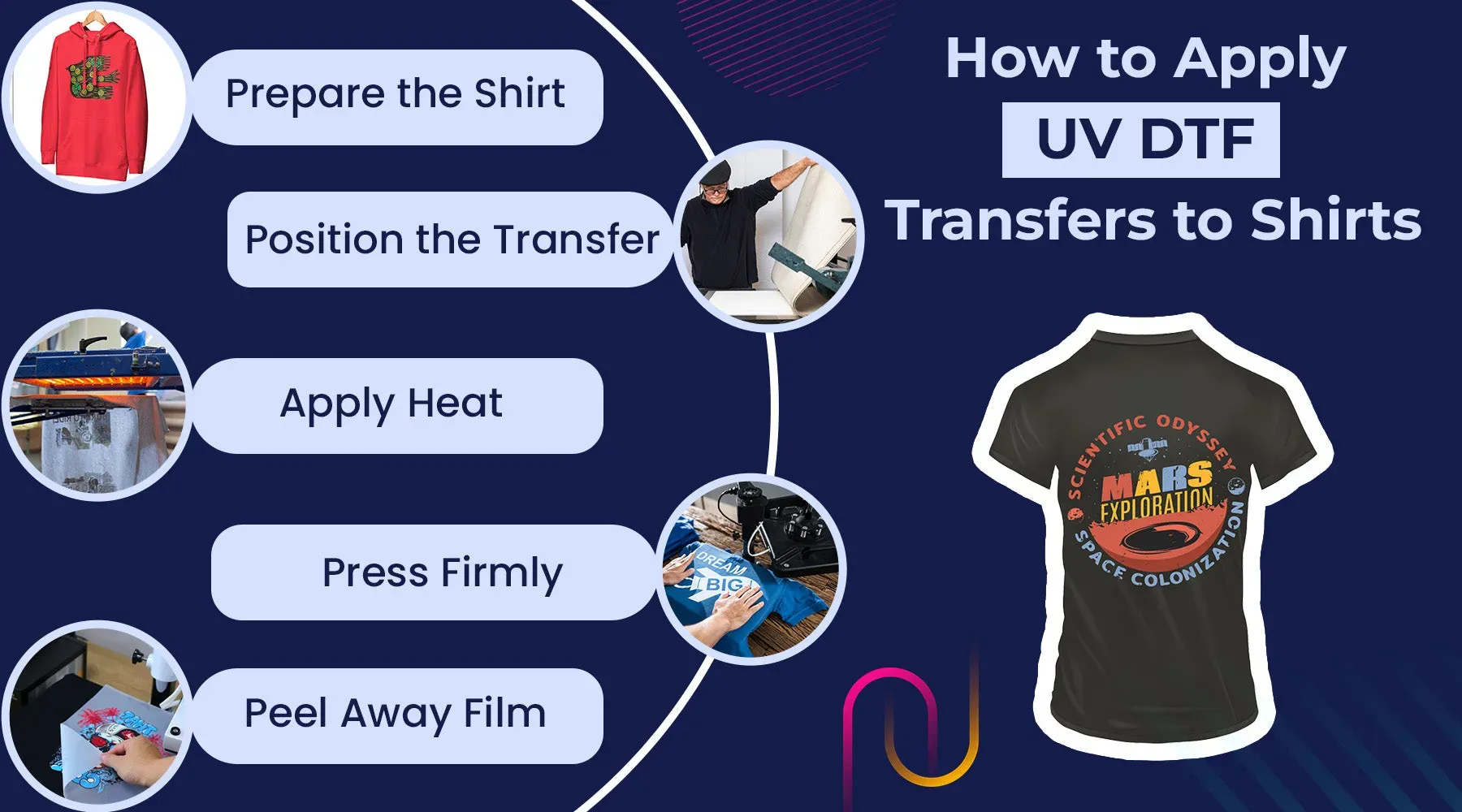
UV DTF transfer has become a game changer for DIY apparel and small business owners looking to print vibrant, durable designs on fabrics. This guide explains why UV DTF transfers work and walks you through DTF printing on fabric, a fabric heat transfer tutorial that covers prep, printing, curing, and precise heat-press settings. If you’ve ever asked, ‘How to apply DTF transfer to textiles?’ this overview walks you through the design-to-finished-product process. Along the way you’ll encounter tips to boost adhesion, avoid color bleeding, and DTF transfer troubleshooting to keep you on track for UV printed transfers. With the steps outlined, you’ll gain confidence in producing high-quality garments, bags, and textiles with crisp colors and strong wash-fastness.
In other words, this technology relies on UV-curable inks and a transfer layer that bonds to textiles when heat is applied. You can think of it as a digital textile transfer or a UV ink-based print-on-fabric method that yields sharp detail on cotton, blends, and poly fabrics. From a practical standpoint, the process mirrors familiar fabric-transfer workflows while offering quicker setup and vivid color fidelity. Understanding related concepts—such as UV printing on fabric, UV-curable transfer films, and heat-press parameters—helps you compare options and troubleshoot effectively.
Understanding UV DTF Transfer for Fabrics: What It Is and Why It Works
UV DTF transfer is a print-and-transfer method that uses UV-curable inks and a transfer layer designed to bond to fabrics under heat. This approach combines the detail and color range of DTF printing on fabric with the fast-curing benefits of UV inks, delivering sharp images on cotton, polyester blends, and blends with stretch. The method is particularly well-suited for small runs and on-demand projects because it reduces setup time and offers vibrant results.
By understanding how UV DTF transfer works, you can compare it to traditional methods and decide when to use it. In many cases, UV printed transfers provide excellent wash-fastness and color fidelity, aligning with a fabric heat transfer tutorial that emphasizes careful pre-press, curing, and post-press care. If you’re new to applying these transfers, this guide covers design preparation, printing, and precise heat-press settings to achieve professional results.
Choosing the Right Fabric for DTF Printing on Fabric and Transfers
DTF printing on fabric begins with fiber-friendly substrates. For best results, start with 100% cotton or cotton blends, which typically offer strong adhesion and bright color reproduction. Polyester blends can also perform well with UV DTF transfers, but you may need to fine-tune the dwell time and temperature depending on the coating or adhesive used.
Choosing the right fabric weight and finish helps prevent issues like cracking and peeling. Pre-washing and ensuring a clean, wrinkle-free surface aligns with a fabric heat transfer tutorial approach, improving transfer uniformity across the garment. Always test a swatch before production to confirm how the design will interact with the fabric’s texture and fibers.
Preparing Artwork for DTF Transfers: Resolution, Color Management, and White Underlays
Artwork prepared at high resolution is critical for crisp edges and solid color blocks. Aim for 300 dpi or higher and embed color profiles suitable for textiles; vector elements remain sharp when scaled. If your design includes dark or heavy areas, consider embedding a white underbase layer to preserve vibrancy on dark fabrics, following the idea behind how to apply DTF transfer to textiles.
Standard formats like PNG with transparent backgrounds or PDF with embedded fonts yield reliable print results. A mirrored layout is essential for transfers applied face-down on the garment; test strips help verify color density and edge definition before committing to a full run. This step aligns with DTF printing on fabric and supports consistent results across different substrate colors.
Printing and Curing UV DTF Transfers: From Mirror Imaging to Proper Curing
Print the transfer using UV-curable inks according to your printer’s instructions, and set the color profile for textile printing. Printing in reverse or mirror ensures the final image looks correct once applied to the fabric face. After printing, allow the transfer to cure per the ink and film manufacturer’s recommendations to maximize adhesion and minimize smudging, a concern addressed by UV printed transfers and standard DTF printing on fabric.
Pre-press the fabric to remove moisture and flatten wrinkles before placing the transfer, then align carefully. As you press, monitor the temperature and pressure to avoid distortion; a typical range is around 180-185°C with medium pressure for about 15-20 seconds. Verify the transfer’s edges after the dwell time and adjust if necessary, a practice that improves consistency across batches.
Pressing Guidelines for UV DTF on Textiles: Temperature, Time, and Pressure
Set your heat press to around 180-185°C (356-365°F) and apply medium pressure for 15-20 seconds, then check the result. These pressing guidelines are central to a successful fabric heat transfer that preserves detail and prevents scorching, and they’re especially important when working with UV DTF transfers. This aligns with the fabric heat transfer tutorial mindset, emphasizing consistent heat and even pressure across the design.
For stretch fabrics, extra care is needed—reduce pressure slightly to prevent shifting, and allow an extra moment of cooling between presses if required. Use a protective silicone sheet or Teflon sheet to prevent scorching, and ensure the garment lays flat during pressing. Proper alignment and a second gentle press can help secure edges and improve wash-fastness.
Troubleshooting, Care, and Longevity of UV DTF Transfers
Common issues like color bleed, edge halos, or lifting edges can arise if ink density, cure time, or moisture control are off. DTF transfer troubleshooting suggests adjusting cure duration, using swatches to dial in settings, and confirming that the transfer and fabric are compatible with your coating and adhesive. Addressing these factors helps preserve clarity and color integrity in UV DTF transfers on fabric.
Finally, care for finished items by following wash guidelines: turn garments inside out, use mild detergents, and avoid high-heat drying unless specified. Proper storage and packaging also extend the life of UV DTF transfers, ensuring long-term vibrancy and durability across cotton, polyester blends, and other fabrics you work with.
Frequently Asked Questions
What is UV DTF transfer and how does it work for fabric in the context of DTF printing on fabric?
UV DTF transfer is a print‑and‑transfer method that uses UV‑curable inks and a printable transfer layer to bond designs to fabric with heat. It’s a form of DTF printing on fabric that delivers sharp detail and vibrant color on cotton, polyester blends, and blends with stretch. The typical workflow includes design, printing, curing, pre‑pressing, and heat pressing.
How do you apply DTF transfer to textiles using UV DTF transfers?
To apply a UV DTF transfer to textiles, start with clean fabric and place the transfer centered. Pre‑press for 3–5 seconds, then press at about 180–185°C (356–365°F) with medium pressure for 15–20 seconds, cover with a protective sheet, and remove the sheet after pressing. Allow to cool and, if required, give a second light press for 2–3 seconds and cure for 24 hours before washing.
What are common issues when using UV DTF transfers and how can you troubleshoot DTF transfer troubleshooting?
Common issues include color bleed, edge halos, and lifting edges. DTF transfer troubleshooting involves ensuring proper cure time, consistent pressure, and precise alignment, and testing on a swatch before full production. If problems persist, adjust ink density, cure duration, or press settings and re‑test.
Which fabrics are best for UV DTF transfers and what does a fabric heat transfer tutorial say about it?
A fabric heat transfer tutorial generally recommends fabrics like 100% cotton, cotton blends, and polyester blends for UV DTF transfers, with smooth, clean surfaces for better adhesion and color clarity. Polyester blends may require slight adjustments to dwell time or temperature based on coating and adhesive properties, while stretch fabrics may need careful pressure control.
What heat press settings do you use for UV DTF transfers, and how does this relate to DTF printing on fabric?
Recommended settings are typically around 180–185°C (356–365°F) with medium pressure for 15–20 seconds. Pre‑press for 3–5 seconds, then press with a protective sheet. For stretch fabrics, adjust pressure and consider a second light press to secure edges, and verify edge integrity to avoid scorching or warping as part of DTF printing on fabric.
How durable are UV printed transfers and how should you care for UV DTF transfers to maximize longevity?
UV printed transfers are designed for strong wash‑fastness, but proper cure is essential. Allow the print to cure for about 24 hours before washing, turn garments inside out, and wash in cold water with mild detergent. Line dry or use low heat if drying in a machine, and store or ship flat or rolled to prevent creasing.
| Key Point | Summary |
|---|---|
| What UV DTF transfer is | A print-and-transfer method using UV-curable inks and a heat-setting bond to fabrics, delivering sharp detail, bright color, and a smooth finish on fabrics like cotton, polyester blends, and stretch fabrics. |
| Who benefits | DIY apparel makers and small businesses seeking quick turnaround, minimal setup, and on-demand printing. |
| Materials needed | High-resolution artwork (300 dpi+), UV DTF printer or compatible workflow, UV-curable inks, transfer film, adhesive, protective sheets, heat press, and fabrics suitable for DTF (cotton, blends, polyester). |
| Fabric suitability | Cotton and cotton blends provide strong adhesion and color; polyester blends work with adjusted times/settings; fabric should be clean, smooth, and wrinkle-free. |
| Design prep | Prepare sharp vectors, consider white underbase on dark fabrics, and save in print-ready formats that preserve color accuracy. |
| Step-by-step overview | Design preparation → printing the transfer → fabric prep → pre-press and positioning → applying the transfer → peel and cure → post-press care and testing. |
| Common issues & troubleshooting | Color bleed, halos, or peeling; edge lifting; cracking on stretch fabrics; fading after wash. Troubleshoot with adjustments to cure time, temperature, pressure, and alignment. |
| Care, longevity | Turn garments inside out, use mild detergents, cold water, and avoid high-heat drying; store flat or rolled to prevent creasing; protect prints during storage and shipping. |
| Applications | T-shirts, tote bags, pillow covers, athletic apparel, and other textiles—well suited for small batches, custom runs, and on-demand printing. |