
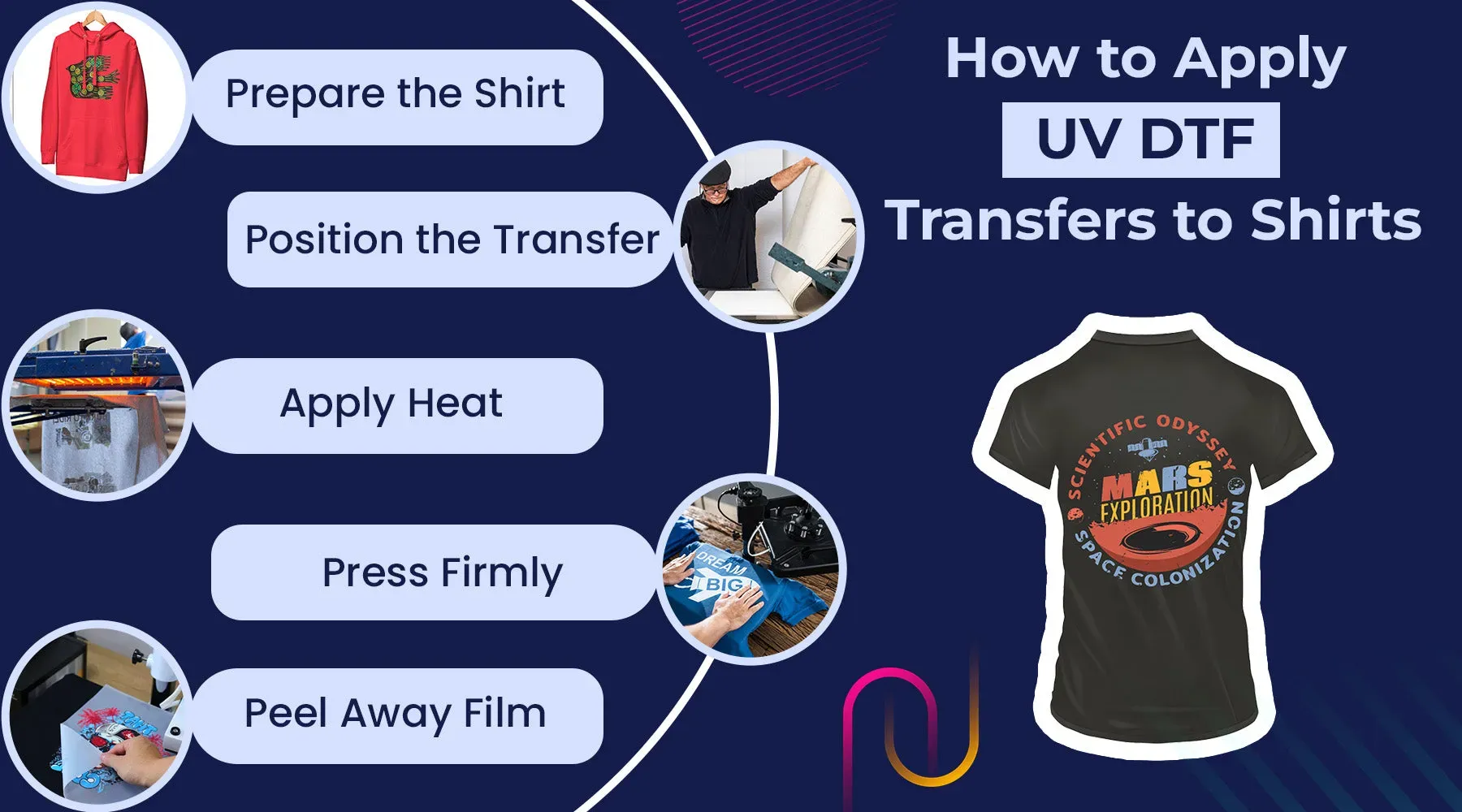
UV DTF Transfer has emerged as a versatile method for decorating textiles and hard surfaces with vibrant, durable imagery, offering a soft hand and color that rivals traditional screen printing while remaining accessible to busy shops. When executed correctly, it delivers strong color, reliable washfastness, and long-term stability, while DTF transfer peeling and DTF transfer troubleshooting become focal considerations for a successful result. However, even well-made transfers can encounter peeling, cracking, or fading, which is precisely why this guide walks you through practical, field-tested solutions to diagnose and fix problems and to prevent them in future projects. You’ll find a clear, step-by-step troubleshooting roadmap spanning surface prep, print quality, curing, adhesive compatibility, transfer settings, and finishing steps that help you achieve durable, professional results. By focusing on material compatibility, proper curing, and careful heat-press technique, these transfers become more predictable, scalable, and capable of delivering vibrant imagery that withstands daily use.
Viewed through a broader lens, this decoration method can be described as a film-on-substrate workflow that uses UV-curable inks and an adhesive layer to apply durable graphics to textiles, plastics, and other compatible surfaces. Industry professionals often refer to it as direct-to-film with UV curing, a process that hinges on ink stability, precise curing, and an effective transfer setup. By mapping these relationships, chemistry, substrate compatibility, and application dynamics, you can anticipate performance and tailor parameters for consistent, high-quality results.
UV DTF Transfer Fundamentals: Color, Adhesion, and Durability
UV DTF Transfer uses UV-curable inks printed on a film with an adhesive, then applied to textiles or hard surfaces and cured to form a durable bond. When done correctly, it delivers vivid color, strong washfastness, and a soft hand comparable to traditional screen printing. However, UV DTF Transfer can still experience issues like peeling, cracking, or fading if any part of the process is off, including ink stability, adhesive compatibility, curing, or transfer settings.
To maximize performance, align ink choice, film, adhesive, and substrate before you press. Ensure proper curing of the UV topcoat or protective layer, and optimize temperature and dwell time for your material. This is where the mindset of DTF transfer troubleshooting comes in: confirming bond strength with test swatches, validating adhesion, and adjusting heat and pressure within recommended ranges. Incorporating DTF heat press tips can help achieve consistent results across batches.
Recognizing Peeling, Cracking, and Fading in UV DTF Transfers
Peeling, cracking, and fading are the three main red flags in UV DTF transfers. Peeling typically signals adhesion problems at the surface or under the edges, while cracking points to stress near folds or overly tight handling. Fading can show up after washing, UV exposure, or insufficient curing, reducing color intensity over time. Recognize that each symptom maps to different failure modes in the DTF ecosystem, including film-ink-adhesive compatibility, substrate prep, and curing quality.
Careful observation during inspection helps isolate whether the issue is substrate prep, print quality, or post-press treatment. Use the framework of DTF transfer troubleshooting to frame the diagnostic path: check surface cleanliness, confirm cure, review adhesive match, and test with small swatches before committing to a full production run.
Diagnosing Root Causes: Substrate, Ink, and Adhesive Interactions
Root-cause diagnosis begins with the substrate. A smooth, low-moisture surface aids adhesion, while rough or damp materials can trap air or moisture that undermines bond. Verify adhesive compatibility with the transfer film and substrate, and inspect the print for edge issues or incomplete curing. These factors strongly influence peeling and cracking outcomes and can be traced back to material choice and handling.
Next, review ink stability and curing. UV DTF inks require proper exposure to UV light, and coatings must resist yellowing and fading. If the print shows color shifts or surface gloss inconsistencies, consider UV DTF fade prevention strategies and adjust the curing protocol to ensure a robust, uniform surface layer.
A Step-by-Step Troubleshooting Plan for DTF Transfer
Step 1: Prep and substrate prep. Clean the surface thoroughly, remove oils, and choose a compatible substrate with low moisture. A light pre-press can flatten the surface and reduce moisture, which helps prevent peeling.
Step 2: Print quality and curing. Use a high-quality UV-stable ink set and ensure the film is designed for UV curing. Allow sufficient curing time for any protective top coat, and verify the printed layer is fully dry before transfer to prevent adhesion problems. This is the core of DTF transfer troubleshooting, guiding you to test, measure, and adjust.
Step-by-Step Troubleshooting Plan for DTF Transfer (continued)
Step 3: Adhesive compatibility and transfer settings. Use an adhesive that matches your substrate and film. Check transfer temperature, pressure, and dwell time, and run a small swatch to verify bond strength before committing to a larger run.
Step 4: Press settings and technique. Typical ranges include around 160–180°C (320–356°F), medium to firm pressure, and a dwell time of 12–20 seconds, with a brief pre-press to remove moisture. Following these DTF heat press tips helps avoid edge lifting, print distortion, and unnecessary cracking.
Practical Fixes for Peeling, Cracking, and Fading
Peeling fixes: re-evaluate surface preparation and pre-press technique; ensure the surface is clean, dry, and smooth. If the original print seems under-cured, reprint and recure, ensuring the adhesive fully activates. Consider a compatible topcoat to improve adhesion and act as a moisture barrier, and test a slightly longer dwell time within material guidelines.
Cracking fixes: avoid pressing over folds or seams where the garment may stretch. Reduce tension during handling and keep the back of the fabric flat. Use higher-resolution artwork with smoother curves to reduce stress on fine lines, and confirm the film’s flexibility matches the substrate. If needed, switch to a more pliable transfer film to prevent cracking in curved areas.
Preventing Future Problems: Pre-Press, Curing, Care, and Quality Control
UV DTF fade prevention starts with material choice: select UV-stable inks and adhesives designed for your substrate. Invest in a calibration routine for your heat press to ensure temperature accuracy and even pressure across the platen. Protect prints with suitable coatings and post-treatment options to boost UV resistance and wash durability.
Ongoing quality control includes storage discipline, routine checks, and testing with small panels when changing ink or film batches. Documenting settings and outcomes helps identify reliable parameters and patterns. Train staff to recognize peeling, cracking, and fading early so adjustments can be made before large runs, reinforcing a robust DTF workflow and reducing field failures.
Frequently Asked Questions
What is UV DTF Transfer, and how can I prevent DTF transfer peeling?
UV DTF Transfer uses UV-curable inks and adhesive to bond a printed film to a substrate. Peeling usually stems from poor surface prep, incompatible materials, or insufficient curing. To prevent DTF transfer peeling, ensure a clean, smooth surface, verify adhesive compatibility, cure the print fully, and run small test swatches before larger runs.
What are the main steps in DTF transfer troubleshooting to fix peeling and ensure proper cure?
DTF transfer troubleshooting starts with substrate prep and print quality checks, followed by confirming correct curing. Next, verify adhesive compatibility and transfer settings, then optimize press parameters and finishing. A small, controlled test on your actual substrate helps validate bond strength before production.
Which DTF cracking fixes are most effective when using UV DTF Transfer on fabrics or hard surfaces?
DTF cracking fixes focus on reducing stress and maintaining print flexibility. Key actions include minimizing tension near folds or seams, using a pliable transfer film, ensuring even back-side support, and using higher-resolution art with smooth curves. Also verify dwell time and temperature to prevent print distortion.
How can I implement UV DTF fade prevention to extend print life on textiles?
UV DTF fade prevention relies on UV-stable inks and coatings, robust curing, and protecting prints from direct sunlight and harsh washing. Use UV-resistant top coats, maintain proper cure times, and provide customers with care instructions to minimize color shifts over time.
What DTF heat press tips improve adhesion and reduce defects in UV DTF Transfer?
DTF heat press tips include setting temperatures around 160–180°C (320–356°F) with medium to firm pressure, and a dwell time of 12–20 seconds. Use a brief pre-press to remove moisture, ensure even platen pressure, and test on a swatch to confirm bond strength before full runs.
What pre-press, curing, and post-press checks should be part of a DTF transfer troubleshooting routine to prevent peeling and fading?
Adopt a step-by-step routine: verify substrate prep and moisture removal; ensure prints are fully dry before transfer; confirm curing is complete; match adhesive and film with the substrate; optimize press settings; and follow finishing care. Maintain a simple log of materials, settings, and outcomes to drive continuous improvement in DTF transfer troubleshooting.
| Area | Key Points |
|---|---|
| What UV DTF Transfer is |
|
| Why UV DTF Transfer can fail |
|
| Common Causes (Peeling, Cracking, Fading) |
|
| Diagnosing the Symptoms |
|
| A Step-By-Step Troubleshooting Plan (DTF Troubleshooting) |
|
| Practical Fixes for Peeling, Cracking, and Fading |
|
| Preventing Issues in Future Projects |
|
| Testing and Validation for Quality Control |
|
| Tips for Long-Term UV DTF Transfer Durability |
|
| Conclusion |
|
Summary
Table and key points on UV DTF Transfer; conclusion follows.