
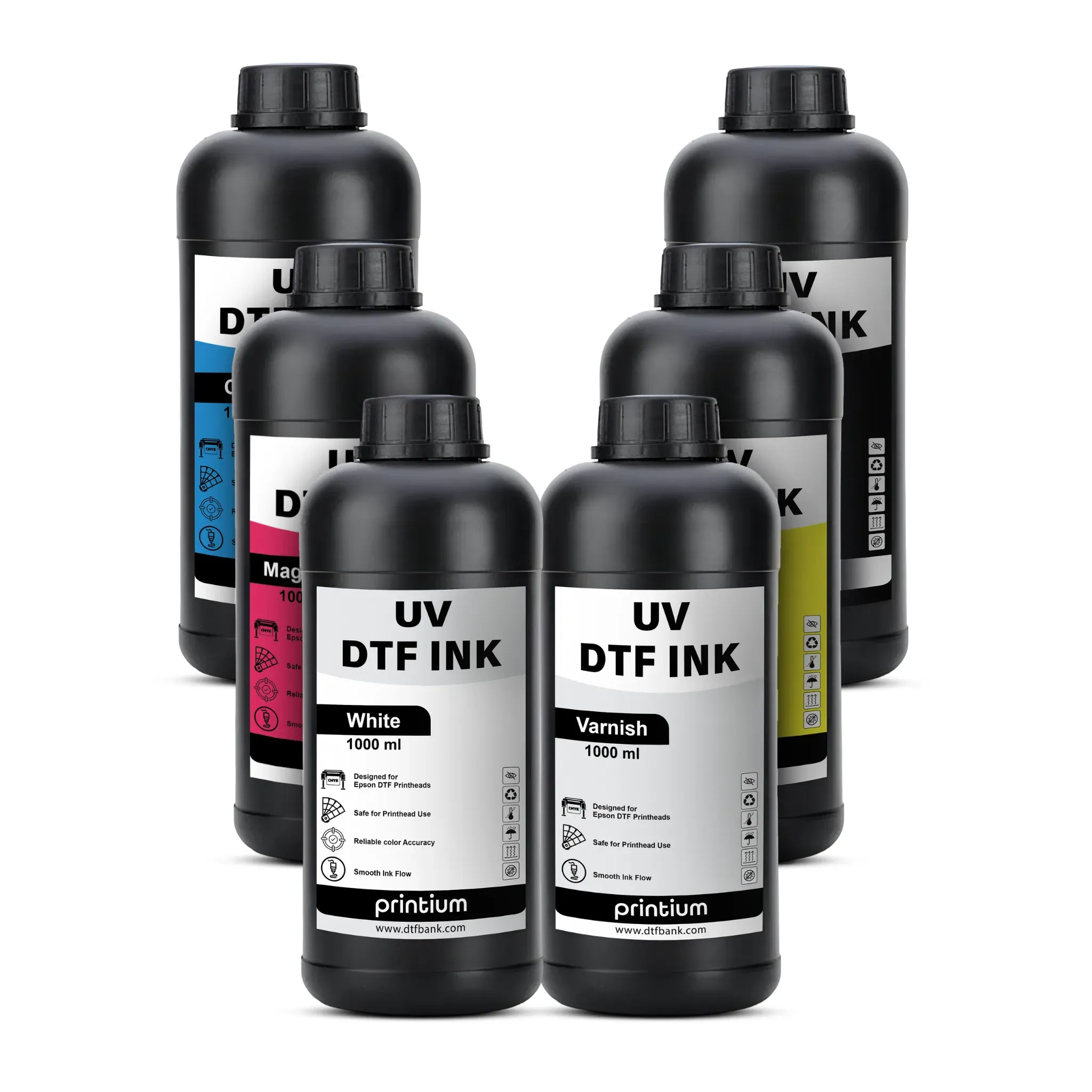
UV DTF ink types define the core options for Direct-to-Film transfers, shaping brightness, durability, and safety in production. Bright UV DTF inks deliver vibrant reds, deep blues, and neon-like accents that help designs pop on white and light fabrics. Durable UV DTF inks are formulated to resist cracking and fading after multiple washes, extending the life of your apparel. UV DTF ink safety is a priority, guiding choices about low VOCs, skin compatibility, and regulatory compliance for wearables. When selecting inks, consider UV DTF ink compatibility with films and explore eco-friendly UV DTF inks to balance performance with sustainability.
In other terms, these are UV-curable inks formulated for direct-to-film workflows, often referred to as UV-curable pigments or dyes used in transfer processes. Some products blend advanced resins to create hybrid inks that deliver a soft hand on textiles while keeping color strength and durability. The choice of film, primer, and curing energy interacts with the resin chemistry to determine adhesion and longevity across fabrics. Sustainable options emphasize low odor, reduced VOCs, and compliant labeling, aligning production with eco-friendly standards.
UV DTF Ink Types: Pigment, Dye, and Hybrid Options
Understanding UV DTF ink types helps brands choose the right solution across pigment-based, dye-based, and hybrid resins. UV DTF ink types differ in opacity, color strength, and hand feel, influencing how well designs pop on light fabrics and how they perform after washing.
Choosing between pigment, dye, and hybrid formulations affects brightness, durability, and film compatibility. Testing multiple UV DTF ink types to gauge brightness, color consistency, and wash performance helps identify the best fit for a given product line. In practice, many shops optimize results by evaluating how each type interacts with their transfer films and heat-press settings.
Bright Colors and Color Gamut with UV DTF Inks
Bright colors come from high opacity pigments, optimized color gamut, and the overall transfer stack. Bright UV DTF inks can deliver vibrant reds, deep blues, and neon accents on white or light fabrics, helping graphics pop and stand out on apparel.
Color consistency also depends on the transfer film, curing energy, and substrate. Selecting inks with strong brightness while maintaining color stability across fabrics helps ensure reliable results, especially when the goal is bold, attention-grabbing designs.
Durability and Wash-Fastness of UV DTF Inks
Durable UV DTF inks are formulated to resist cracking, fading, and edge wear during repeated laundering. They typically exhibit strong wash-fastness on polyester, cotton blends, and elastane-containing fabrics, meeting the demands of everyday wear.
Durability testing should mimic real-world use—multiple wash cycles, creasing, bending, and light abrasion. By comparing performance across fabrics, teams can select inks that consistently meet end-user expectations for longevity and print integrity.
UV DTF Ink Safety and Regulatory Compliance
UV DTF ink safety starts with low VOCs, minimal skin irritants, and clear, compliant labeling. Safer formulations help protect operators in the shop and wearers who interact with finished products, aligning with common apparel safety expectations.
Regulatory compliance includes reviewing MSDS documents, obtaining necessary certifications, and ensuring labeling meets industry standards. Post-curing requirements can also influence safety and performance, so it’s important to validate curing energy and exposure times in your process.
UV DTF Ink Compatibility with Films and Transfer Processes
Ink compatibility with films is critical; some UV DTF inks bond best with specific release liners, primers, or adhesive layers. Always verify recommended film pairings from the ink manufacturer to optimize adhesion and final appearance.
Curing requirements and lamp types (LED vs. UV) affect how well an ink adheres to fabrics. Proper curing energy and post-press handling—such as cooling cycles or light post-curing—can maximize performance and ensure consistent transfers across different film systems.
Eco-Friendly UV DTF Inks: Sustainability Without Sacrificing Quality
Eco-friendly UV DTF inks prioritize reduced odor, lower VOCs, and sustainable formulation without compromising brightness or durability. These inks often feature responsibly sourced components and cleaner production processes.
Evaluating eco-friendly options includes considering supplier transparency, lifecycle impact, and end-of-life handling. Adopting sustainable inks can help brands meet environmental goals while preserving the vivid colors and wash durability customers expect.
Frequently Asked Questions
What are the main UV DTF ink types and how do pigment-based vs dye-based inks compare in brightness and durability?
UV DTF ink types include UV-curable pigment inks, UV-curable dye inks, and hybrid resins. Pigment inks offer higher opacity, better wash-fastness, and generally stronger durability, especially on light fabrics, while dye inks can deliver a broader color gamut and brighter tones on some fabrics but may be less opaque and durable. For durability-focused applications, pigment-based UV DTF inks are typically preferred, though testing across fabrics is recommended.
How do bright UV DTF inks influence brightness and color gamut on different fabrics?
Bright UV DTF inks can produce bold reds, deep blues, and neon-like colors on white and light fabrics. Brightness depends on pigment opacity, color consistency, and the curing process, as well as film quality. To maximize brightness, pair high-opacity inks with appropriate transfer films and sufficient UV/LED curing energy.
What should I know about UV DTF ink safety and regulatory compliance for apparel and textiles?
UV DTF ink safety hinges on low VOC content, minimal skin irritants, and clear regulatory labeling. Always review the MSDS and supplier certifications, and ensure complete post-curing for maximum safety performance. Choose inks that meet applicable safety standards for apparel and wearables.
How does UV DTF ink compatibility with films affect transfer quality and adhesion?
UV DTF ink compatibility with films influences adhesion and finish; verify recommended film pairings and primers from the ink manufacturer. Ensure curing energy is sufficient to fully cure inks on the chosen film, as under-curing can reduce adhesion and durability. Test transfers on your typical fabrics to confirm strong, consistent results.
Are eco-friendly UV DTF inks available, and what trade-offs should I expect with brightness or durability?
Eco-friendly UV DTF inks focus on reduced VOCs, lower odor, and safer formulations. They may require different curing or film considerations and can affect brightness or durability compared with conventional inks. Compare supplier certifications, real-world wash tests, and total cost to select an eco-friendly option that meets your performance goals.
What practical steps can I take to evaluate UV DTF ink types for brightness, durability, and safety in my workflow?
Start with ink-type testing by requesting samples of UV-curable pigment, dye, and hybrid inks; test on your transfer films and press settings; run wash, flex, and abrasion tests; review MSDS and certifications; verify film compatibility and curing requirements; and consider total cost of ownership including curing energy and maintenance.
| Aspect | Key Points |
|---|---|
| Ink Types | – UV-curable pigment inks: high opacity, strong wash-fastness, and durability; ideal for light fabrics. – UV-curable dye inks: wider color gamut and vivid colors, but generally lower opacity and may require substrate/post-processing for durability. – Hybrid/advanced UV resins: blends that balance brightness, elasticity, and soft-hand feel with durability. |
| Bright Colors and Color Gamut | – Bright UV inks deliver vibrant colors on white/light fabrics; higher opacity and a broader color gamut enhance brightness. – Brightness is influenced by pigment concentration, film quality, and curing energy. |
| Durability and Wash-Fastness | – Look for high wash-fastness, resistance to cracking/edge wear, and stability across temperatures and flexing. – Consider fabrics (polyester, cotton blends, elastane blends) when evaluating durability. |
| Ink Safety and Regulatory Considerations | – VOC levels and odor: prefer low-VOC or VOC-free formulations. – Skin contact safety: choose inks with lower skin irritants. – Regulatory compliance: ensure inks meet safety standards and labeling; note post-curing requirements for maximum safety. |
| Ink Compatibility with Films and Transfer Processes | – Compatibility with transfer films and primers; verify manufacturer recommendations. – Curing requirements: LED/UV lamps must deliver sufficient energy to fully cure. – Adhesion to fabrics: robust adhesion across common fabrics. – Post-press handling: some inks need minimal post-press steps; others may benefit from light post-curing or cooling cycles. |
| Practical Guidance for Selecting UV DTF Inks | 1) Define use-case and fabric mix; 2) Set performance priorities (brightness, durability, safety); 3) Request sample runs; 4) Test wash/wear; 5) Evaluate safety/compliance; 6) Consider eco-friendly options; 7) Analyze total cost of ownership. |
| Common Pitfalls and How to Avoid Them | – Focusing only on brightness; durability matters for wash performance. – Under-curing inks can compromise adhesion and colorfastness. – Mismatched films can cause scuffing or incomplete transfers. – Ignoring safety: verify VOCs, labeling, and compliance. |
| Storage, Handling, and Maintenance | – Store in tightly closed containers away from direct sunlight and heat; follow temperature guidelines. – Purge printers regularly and check print heads for clogging. – Maintain ventilation during curing and handling to minimize fumes. |
Summary
UV DTF ink types guide every transfer you produce, shaping brightness, durability, and safety across fabrics, films, and wearers. Whether you prioritize bright results with UV-curable pigment inks, broad color gamut from UV-curable dye inks, or balanced hand with hybrid resins, the choice affects wash-fastness, film compatibility, and operator safety. For best outcomes, test multiple UV DTF ink types on common fabrics and films; monitor curing energy and post-processing; and review safety data sheets and regulatory labels. Favor eco-friendly UV DTF inks when sustainability matters, and maintain proper storage and handling to preserve performance.