
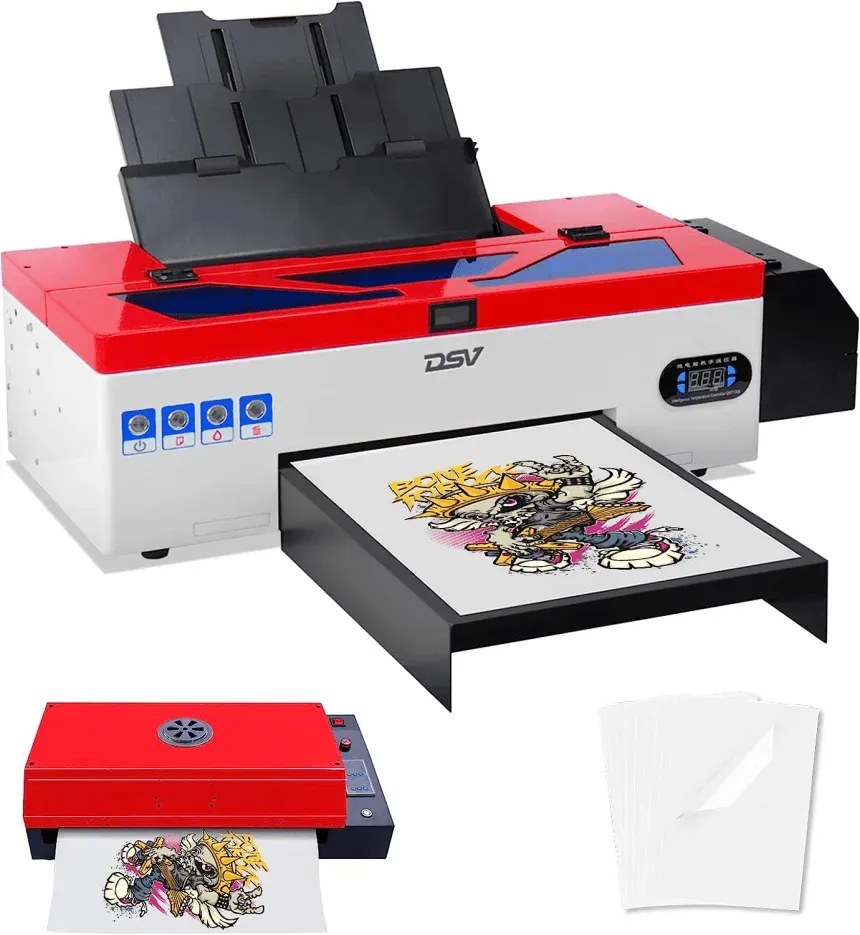
DTF printing for small businesses has emerged as a flexible, scalable option for launching or growing an apparel line. It delivers rich color, a soft hand-feel, and the ability to print on a wide range of fabrics, making it ideal for T-shirts, hoodies, bags, and promotional items. To succeed, follow DTF printing best practices and stay aware of DTF printing pitfalls that can undermine quality. When evaluating methods, many shop owners compare DTF vs screen printing, noting lower setup costs and faster design iterations for small runs. Understanding DTF inks and curing and following DTF film quality tips helps you maintain ink reliability and durable transfers across batches.
In other terms, Direct-to-film transfers sit under the broader umbrella of digital textile printing, where designs are applied to a carrier film and transferred to fabric. From a practical perspective, this process is often described as print-on-film technology that supports quick setup, minimal platemaking, and on-demand customization. For small businesses exploring this approach, the emphasis is on reliable workflow, material compatibility, and scalable production capable of handling evolving product lines. By framing the topic with related concepts—film quality, curing reliability, color management, and workflow optimization—you align with Latent Semantic Indexing (LSI) principles while guiding readers toward informed decisions.
DTF printing for small businesses: how to build a scalable, quality-first operation
DTF printing for small businesses offers a flexible, scalable path to expand apparel and merchandise lines. Direct-to-Film transfers deliver rich color, a soft hand-feel, and compatibility with a wide range of fabrics, making it easier to test designs and grow a catalog without heavy upfront tooling.
To build a scalable operation, invest in reputable inks and films that are designed to work together, and implement clear DTF printing best practices from day one. Use DTF film quality tips to select film that delivers color fidelity and edge sharpness across batches, and establish a controlled curing routine so powder adheres evenly. Regular test swatches after film lots help you keep color and opacity within target range and align with curing and powder workflows.
DTF vs screen printing: choosing the right method for your product mix
DTF vs screen printing presents a practical decision for growing brands. DTF offers lower setup costs for small runs, rapid design iteration, and the ability to print complex, multi-color designs without screens, making it ideal for on-demand merchandise and seasonal drops.
When evaluating options, consider total cost of ownership, including ink consumption, film, labor, and maintenance, rather than just per-unit price. The right choice depends on your product mix, order size, and required color fidelity, a decision framework that sits at the heart of DTF printing best practices.
DTF film quality tips and color control for consistent transfers
Film quality directly impacts color fidelity, edge sharpness, and wash durability. Look for uniform thickness, low curl, and transfer-friendly coatings, since budget options may save money upfront but can introduce color shifts and variability across batches.
Tracking film lots and performing quick control tests helps catch issues early—this is the essence of DTF film quality tips. Implement a color-management workflow with a calibrated monitor, ICC profiles suited to your inks, and print test swatches before batches to ensure repeatable results across fabrics.
Inks, curing, and color management: mastering DTF printing best practices
Inks designed for DTF must work in concert with the film and powder to deliver durable transfers. Quality inks provide vibrant colors with a wide gamut and good opacity on light and dark fabrics, while the curing step locks the adhesive into place and enhances wash durability.
Invest in reliable DTF inks and curing protocols to shorten lead times and improve results, and always test wash durability on representative garments. Developing a documented standard operating procedure (SOP) for printing, powder application, and curing helps maintain consistency and aligns with DTF printing best practices.
Avoiding common DTF pitfalls: pre-press, curing, and workflow discipline
Rushing color decisions and underestimating color management is a classic DTF printing pitfall. Skipping calibration leads to mismatches when printing across runs or on different fabrics, so always test on similar garments and adjust as needed.
To mitigate pitfalls, build robust pre-press routines, ensure garments are clean and wrinkle-free, and use consistent film lots and powders. Start with a small pilot line, track yield and wash results, and refine SOPs before scaling—this disciplined approach reflects DTF printing best practices and helps prevent costly misprints.
Frequently Asked Questions
What are the DTF printing best practices for small businesses?
Key DTF printing best practices for small businesses include selecting a reliable system (printer, films, inks, and adhesive powder), ensuring film compatibility, and maintaining a consistent curing process. Implement color management, pre-press garments, and document SOPs to reproduce results across batches. Start with test swatches and track outcomes to build a scalable, quality-focused workflow.
What are the DTF printing pitfalls small business owners should avoid?
Common DTF printing pitfalls include poor color management, using low-quality film or powders, inadequate curing, and insufficient garment prep. Avoid rigid design formats and lack of process documentation by calibrating colors, sticking to recommended materials, performing test runs, and maintaining flexible workflows to handle different designs and fabrics.
DTF printing vs screen printing: When should a small business choose one over the other?
DTF printing vs screen printing hinges on run size and design variation. DTF is advantageous for small runs, rapid design iteration, and multi-color designs with less setup, while screen printing can be more cost-effective for large-volume, repetitive prints. Consider total cost of ownership, including ink, film, labor, and maintenance, to decide which method fits your product mix and order size.
What should small businesses know about DTF inks and curing?
DTF inks and curing together determine color vibrancy and durability. Use inks designed for your film and powder to achieve strong opacity on both light and dark fabrics. A proper curing step locks the adhesive, enhances wash durability, and reduces returns—always test wash performance on representative garments before full production.
How can DTF film quality tips improve consistency in DTF printing for small businesses?
DTF film quality tips focus on using consistent film lots, inspecting sheets for defects, and storing film properly. Run quality checks with swatches and control garments to detect deviations early, and discard compromised sheets. Regularly monitor lot numbers and maintain a controlled workflow to preserve color fidelity and transfer consistency across batches.
| Topic | Key Points |
|---|---|
| Introduction | DTF for small businesses offers a flexible and scalable solution; rich color, soft hand feel; print on a wide range of fabrics; guide focuses on best practices and avoiding pitfalls to ensure quality control as you scale. |
| What you will learn | Covers best practices, common pitfalls, a comparison to screen printing, and actionable steps to improve color accuracy, durability, and efficiency; discusses inks and curing, film quality, design prep, equipment choices, and cost considerations. |
| What is DTF printing for small businesses? | DTF is a transfer process that prints designs on film, powders the surface, and uses heat and pressure to transfer to fabric; supports quick setup for small runs and enables many design variations without changing screens or plates; can reduce minimum orders, shorten lead times, and expand product offerings if best practices are followed from the start. |
| Structure | Practical steps, real world pitfalls to avoid, and a framework for evaluating if DTF printing fits your business model. |
| Choosing the Right DTF System | Equipment and consumables include a reliable DTF printer, appropriate films, high quality inks, and compatible adhesive powder; avoid cheap components as they cause transfers to be inconsistent; invest in reputable inks and films designed to work together. |
| Best Practices for DTF Printing | Color management and design prep; print settings and workflow SOPs; powder application and curing discipline; transfer strategy and garment care; maintenance and uptime to prevent downtime. |
| DTF Printing Pitfalls to Avoid | Rushing color decisions and poor color management; using low quality film or powders; inadequate curing and pressing; poor garment prep and post processing; over reliance on a single design format without flexibility. |
| DTF vs Screen Printing | DTF offers advantages for small runs including lower setup costs, rapid iteration, and the ability to print complex designs; screen printing may be more cost effective for large volume runs; decision should consider total cost of ownership including ink, film, labor, and maintenance. |
| DTF Inks and Curing | Inks must work with film and powder to deliver durable transfers; cure step locks adhesive for washing durability; test wash durability on representative garments to confirm performance. |
| Film Quality Tips | Use consistent film lots, inspect sheets for defects, store film properly, and run periodic quality checks with swatches and a control garment. |
| Cost Considerations and ROI | Initial system cost vs long term ROI; calculate per unit costs including maintenance, ink/film consumption, powder usage, and labor; account for waste and rework; align costs with a solid sales plan. |
| Real-World Scenarios and Tips | Pilot line of 2–4 designs across a few garment types; track yield, color accuracy, and wash results across cycles; use data to refine SOPs and establish a repeatable quality baseline; scale by introducing design variations as you grow. |
Summary
DTF printing for small businesses offers versatility, speed, and quality when approached with a clear plan. By selecting reliable equipment and consumables, maintaining a disciplined workflow, and proactively managing color, curing, and film quality, you can minimize pitfalls and maximize customer satisfaction. The decision to adopt DTF printing should be grounded in your product mix, order size, and long-term goals. With ongoing quality checks and a readiness to iterate, small businesses can leverage DTF technology to build a resilient, scalable, and profitable printing operation.