
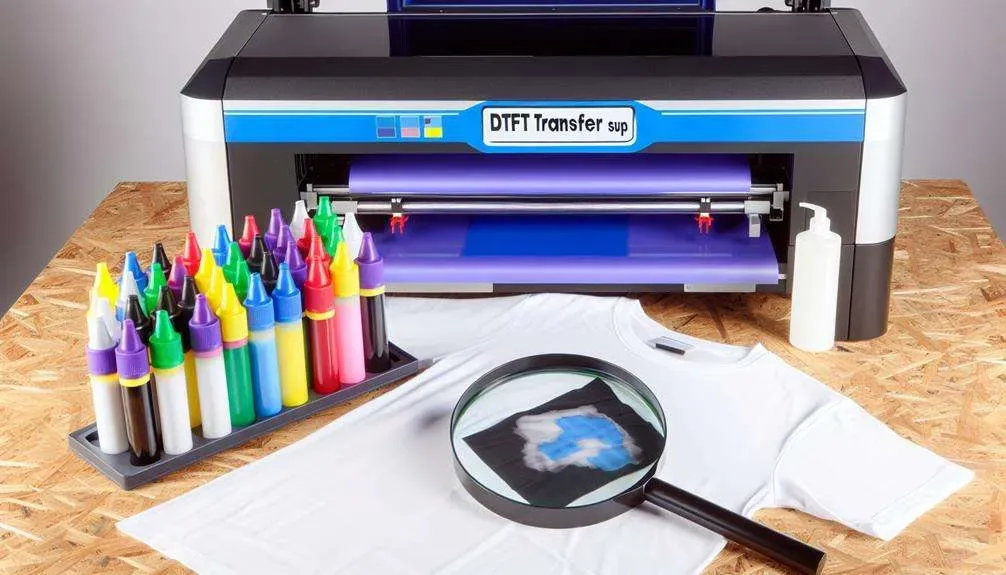
DIY UV DTF Transfers open up a world of customization for T shirts, tote bags, jackets, and more. If you love bold colors, smooth gradients, and durable prints, this method can be both safe and fun when you follow the right steps. In this guide, you’ll learn how to create high quality DIY UV DTF Transfers at home, with practical safety tips and simple techniques that beginners can master. We will cover the essentials, from choosing the right materials to printing, curing, and applying the transfer. By the end, you will have a clear, achievable process for producing vibrant designs that stand up to washing and wear.
Looking beyond the term DIY UV DTF Transfers, readers can think in terms of UV DTF printing at home or UV-curable DTF prints produced at home as a practical craft. A home-based DTF transfers at home workflow involves designing digitally, choosing film and inks, and applying heat with care. For readers seeking a step-by-step resource, a DIY UV transfer guide can demystify printing, curing, and adhesion. By focusing on safety and compatible materials, this safe DTF transfers at home approach remains accessible and scalable for small projects. Using LSIs such as at-home printing for apparel, UV-curable inks, and transfer film selection, you can build confidence before committing to larger runs.
DIY UV DTF Transfers at Home: Getting Started
DIY UV DTF Transfers open up a world of customization for shirts, tote bags, jackets, and more. If you love bold colors, smooth gradients, and durable prints, this method can be both safe and fun when you follow the right steps. This subfield of crafting blends digital design with hands-on application, and understanding the basics helps you approach the project with confidence. For home crafters, the promise of DTF transfers at home is the ability to produce professional-looking results without expensive studio equipment. By setting clear goals and starting with high-quality materials, you can begin building a reliable, repeatable workflow that you can reuse across many projects.
This is a DIY UV transfer guide designed to help beginners move from concept to finished piece. Start by defining your designs, choosing the right transfer film, and selecting inks compatible with your printer or DTF setup. Documenting your steps creates a personal reference you can return to as you expand into new designs, colors, and fabrics. As you experiment, you’ll discover which fabrics respond best and how to balance color accuracy with the texture of different textiles—an essential part of mastering DIY UV DTF transfers.
Understanding UV DTF Transfers: How It Works for Home Crafting
UV DTF transfers rely on UV curable inks printed onto a transfer film. The design is then cured with ultraviolet light to harden the ink before you transfer it to fabric with a heat press. This method can produce vivid colors and fine details that are hard to achieve with traditional screen printing. For home enthusiasts, the process blends digital design with hands-on application, offering a safe, simple, and enjoyable project when you have the right setup. If you’re aiming for DIY UV DTF transfers at home, you can pursue two pathways: a UV printer that uses UV-curable inks or a conventional DTF workflow enhanced with UV curing.
Each path has its own equipment requirements and setup considerations, but both can yield stunning results for at-home crafting. The UV DTF printing at home route emphasizes precise color control and fast curing, while the standard DTF with post-print UV curing can be a more accessible starting point for beginners. Regardless of the route, the core concept remains the same: print on film, cure the ink, and transfer with a heat press to achieve durable, vibrant designs.
What You Need to Start DIY UV DTF Transfers
As you begin, assemble a basic kit that covers both UV printer and standard DTF pathways. Key items include transfer film or PET sheets designed for DTF transfers, UV curable inks with a compatible printer, or a regular DTF printer with a UV curing option, and a reliable heat press. Add a silicone sheet or teflon sheet to protect prints during heat exposure, a flat heat-resistant surface for curing, design software, a computer, and a test garment. These essentials form the backbone of safe DTF transfers at home and lay the groundwork for consistent results.
If you don’t have access to a dedicated UV printer, you can still pursue DIY UV DTF transfers at home by using a standard DTF workflow and curing the print with a UV lamp afterward. The key is to select a compatible film and proper curing methods to lock in color and detail. Having backup options ensures you can practice the process while gradually upgrading to a full UV-capable setup, reinforcing the broader DIY UV transfer guide’s principle: start simple, then scale up as confidence grows.
Step-by-Step Process: Printing, Curing, and Transferring at Home
A typical workflow begins with designing and prepping your artwork at high resolution. Vector graphics scale cleanly, while raster images should be 300 dpi at the final size. Remember to mirror the image before printing, since you’ll transfer it onto fabric in reverse. This step is a core part of the DIY UV transfer guide, ensuring your text remains legible and colors print accurately on the chosen film.
Next, prepare the transfer film and printing settings. Load the film correctly, select the appropriate print resolution, and sanitize the film surface to remove dust or oils that could degrade print quality. If you’re using UV-curable inks, expose the print to UV light to cure and harden the ink before the heat press. This curing step is what helps create a durable transfer and is a cornerstone of DIY UV DTF transfers you can confidently repeat at home.
Safety and Studio Setup: Creating a Safe DIY UV Transfer Space
A safe at-home DTF transfer project thrives in a well-ventilated, clean workspace. UV inks and curing lamps deserve careful handling to protect skin and eyes. Work in a bright area with good airflow, wear protective gloves when handling film and cartridges, and use eye protection near curing lamps. Establish a dedicated area for printing and heat pressing to avoid cross-contamination of fabrics and surfaces. If you plan to produce many transfers, consider a small fume hood or a fan that directs fumes away from your breathing zone. Safety is a feature of great DIY UV DTF transfers.
Beyond personal safety, setting up an organized workflow reduces mistakes. Use a stable, flat surface for curing and a separate workstation for design, file prep, and testing. Label materials clearly, keep cleaning supplies handy, and maintain a clean environment to minimize dust on the transfer surface. This careful setup is essential for achieving consistent results with safe DTF transfers at home and building long-term confidence in your UV transfer projects.
From Design to Delivery: A DIY UV Transfer Guide for Beginners
This phase covers turning your designs into print-ready files and applying them to fabric. Start with a clean canvas and ensure your artwork is optimized for transfer, considering color separations and edge detail. Remember to mirror and size correctly, which is a common pitfall for beginners following a DIY UV transfer guide. The combination of careful design and proper film selection is crucial for high-quality results that look professional.
Print, cure, and align are the next steps. Print on transfer film using your chosen method, then cure if you’re using UV inks. Align the design on fabric with care, applying a silicone sheet to protect the print, and heat press at the recommended temperature and time. After pressing, peel the film while warm if your instructions permit, or allow it to cool for a moment and test a small area first. This sequence—design, print, cure, align, press—forms the practical backbone of achieving reliable outcomes in the DIY UV transfer guide.
Tips, Troubleshooting, and Care for Lasting DIY UV DTF Transfers
To maximize color accuracy and durability, calibrate your hardware before starting a batch. Check printer alignment, color profiles, and heat press settings. Keep your workspace clean to minimize dust and debris on the transfer surface. Test on scrap fabric first to verify colors, texture, and adhesion. These steps help you avoid common issues that can derail DTF transfers at home and keep results consistent across projects.
Long-term care of your transfers matters as much as the print itself. After washing, follow garment care guidelines, typically washing inside out in cold water and avoiding high heat on initial washes. You may run an additional light press for thicker fabrics to reinforce adhesion. By treating DIY UV DTF transfers with patience and respect for the materials, you’ll extend their life and ensure your designs stay vibrant through many washes—an essential practice in the safe, enjoyable world of at-home DTF transfers.
Frequently Asked Questions
What are DIY UV DTF transfers and how do I get started at home?
DIY UV DTF transfers let you print vibrant, durable designs on fabric using UV-curable inks, then cure and apply with a heat press. To get started at home, design your artwork at high resolution, choose a compatible transfer film, decide between a UV printer with UV curable inks or a standard DTF setup with UV curing, and assemble a safe workspace with a heat press, curing lamp, gloves, eye protection, and proper ventilation. Then print, cure, align, and press according to the film’s instructions, followed by post-press care.
What equipment do I need for UV DTF printing at home?
Essential gear for UV DTF printing at home includes transfer film or PET sheets designed for DTF, UV-curable inks compatible with your printer (or a DTF printer with a UV curing option), a heat press, silicone or teflon sheets, and software to prepare print-ready files. You also need a clean, ventilated workspace and protective PPE. Depending on your setup, you may add a UV curing station and a test garment to validate settings before production.
How should I set up a safe workspace for safe DTF transfers at home?
Safety comes first for safe DTF transfers at home. Work in a well-ventilated area, wear gloves and eye protection when handling inks and curing lamps, and keep a dedicated workspace to avoid cross-contamination. Use a fume hood or a fan to direct fumes away, and follow all manufacturer safety guidelines for inks and UV lamps.
What is the DIY UV transfer guide for moving from design to final print?
The DIY UV transfer guide covers every stage from design to finish. Start with mirrored, high-resolution artwork; prepare the transfer film and set appropriate print/curing settings; print and cure if needed; prepare the fabric; perform the heat press transfer with correct temperature and pressure; and finish with post-press care and recommended washing practices.
Can I achieve durable results with DTF transfers at home using DIY UV DTF transfers?
Yes—durable results are achievable at home with DTF transfers at home when you follow a proper DIY UV DTF transfers workflow: use high-quality transfer film and UV-curable inks, ensure proper curing, and follow heat times around 320–350°F (160–180°C) with firm, even pressure. Mirror the image for correct orientation, and care for the item with proper washing guidelines to maximize longevity.
How can I optimize results for DIY UV DTF transfers at home?
To optimize results for DIY UV DTF transfers at home, calibrate your printer and heat press, test on scrap fabric, and work with high-quality film and compatible inks. Keep the workspace clean, check color accuracy, and adjust fabric choices since light vs dark fabrics may require different heat times. Always prioritize safety and perform beta tests before full runs.
| Aspect | Key Points |
|---|---|
| What are DIY UV DTF transfers? |
|
| Safety and setup |
|
| What you need to get started |
|
| Step-by-step workflow |
|
| Tips and common mistakes |
|
| Realistic expectations |
|
Summary
DIY UV DTF Transfers offer a practical method to personalize clothing and accessories with bold, long-lasting color. This descriptive overview summarizes the core idea: UV DTF transfers combine digital design with a film-based transfer and UV curing to achieve vibrant images with fine details. Following proper safety guidelines and a clear workflow—design, print, cure, align, press, and care—you can create professional-looking results at home. Start with quality materials and a well-organized workspace, and practice on scrap fabric to refine your timing and heat settings. With patience, DIY UV DTF Transfers can become a reliable and enjoyable part of your craft repertoire, delivering durable designs that withstand regular washing.