
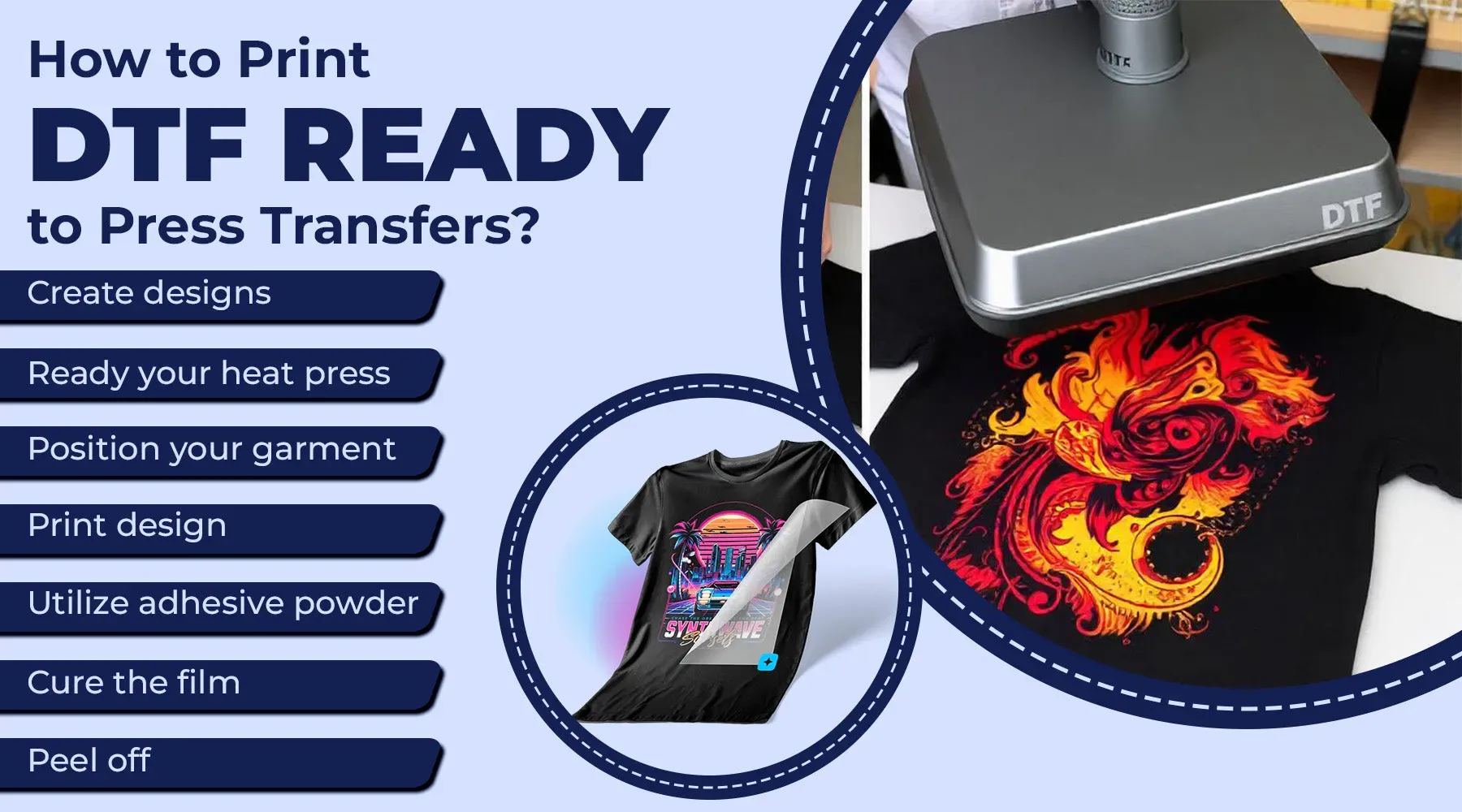
DTF transfer quality is a cornerstone of successful direct-to-film printing, shaping color vibrancy, sharp details, and durable results. To achieve this, you must manage DTF ink quality, film, and adhesive performance so that colors stay bold on a range of fabrics. In practice, many projects encounter DTF printing issues that sap brightness or misregister, underscoring the need for careful troubleshooting. This guide outlines practical, step-by-step fixes and techniques for DTF transfer troubleshooting, helping you diagnose root causes quickly. From adhesion problems to DTF color transfer dynamics, understanding these factors empowers you to deliver consistent, studio-grade results and minimize common DTF adhesion problems.
Viewed through an alternate lens, this topic becomes broader than a single metric and can be described as direct-to-film process performance, film-to-fabric transfer fidelity, or the durability of the printed layer under wash. LSI-friendly terms like substrate compatibility, adhesion strength, and color stability help connect related ideas such as ink behavior, film quality, and heat-press conditions across different fabrics. By framing the discussion with these related concepts, you can surface potential issues early and align your workflow with long-term performance goals. The goal remains the same: achieve consistent, high-quality results across diverse materials, using a holistic approach rather than treating DTF transfer quality as a single variable.
DTF Transfer Quality: Key Factors That Drive Color, Detail, and Durability
DTF transfer quality hinges on a carefully coordinated chain of factors: printer accuracy, film and powder integrity, adhesive performance, fabric choices, pre-press preparation, and heat press consistency. When one link weakens, it can ripple through the design, dulling color, blurring edges, or reducing adhesion. By optimizing each element and maintaining a reliable workflow, you increase the likelihood of vibrant color transfer, crisp details, and durable results across a range of fabrics.
Understanding these levers helps you speak the language of DTF printing issues and DTF transfer troubleshooting with suppliers and technicians. In practice, you’ll evaluate ink quality, film integrity, powder uniformity, and press calibration together—because color fidelity and edge sharpness emerge only when the entire process is aligned. The goal is to minimize color shifts and misregistration while maximizing consistency from job to job, substrate to substrate, and garment to garment.
DTF Printing Issues: Symptoms, Diagnoses, and Quick Fixes
Common DTF printing issues often surface as faded colors, uneven texture, or misregistered images. Faded tones can stem from ink quality problems, curing timing, or nozzle performance, while patchy transfers point to inconsistent powder distribution or heat application. By recognizing these symptoms early, you can pinpoint whether the root cause lies in DTF ink quality, printer maintenance, or calibration settings.
Another frequent challenge is debris or white specks appearing in the print, which can signal residue from adhesive powder or fabric lint. Addressing these symptoms quickly—such as cleaning the film path, verifying powder consistency, and re-checking pre-press moisture—helps you reduce reprint waste and improve overall DTF transfer troubleshooting outcomes. A structured diagnostic approach keeps you moving toward reliable, repeatable results.
DTF Ink Quality: How Ink Selection Shapes Color Transfer and Longevity
Ink quality directly influences color vibrancy, density, and edge fidelity. Subpar inks can produce dull or inconsistent color transfer, color shifts across fabrics, and reduced resistance to washing. Selecting a compatible ink set and maintaining proper maintenance routines are essential for achieving reliable DTF color transfer and consistent print performance.
Beyond brightness, ink quality also interacts with curing processes and substrate compatibility. Differences in pigment-based versus dye-based inks can alter color fastness, gloss, and surface feel. When evaluating DTF color transfer results, consider ink chemistry, substrate compatibility, and curing steps alongside film and powder quality to build a robust, long-lasting workflow.
DTF Adhesion Problems: Diagnosing and Solving Layer Adhesion and Curing Challenges
Adhesion problems undermine durability and washfastness. If the transfer peels, cracks, or delaminates after laundering, the issue often traces to improper curing of the adhesive powder, incorrect adhesive choice, or suboptimal post-press finishing. Tackling DTF adhesion problems requires verifying the entire curing chain—from powder activation to film bonding—to ensure robust adhesion across fabrics.
Consistent adhesion also depends on fabric selection, pre-press conditions, and heat-press parameters. Moisture, fabric texture, and uneven pressure can create weak spots in the bond. By aligning curing times, adhesive formulations, and press settings with each substrate, you’ll reduce failure points and improve the garment’s durability through repeated washes.
Optimizing Pre-Press, Fabric Choice, and Heat Press Settings for Superior DTF Color Transfer
A thoughtful combination of pre-press discipline, smart fabric selection, and precise heat press settings is a powerhouse for high-quality DTF color transfer. Pre-pressing removes moisture and relaxes fibers, while fabric choice influences how colors lay down and cure. Lighter fabrics typically yield more accurate color transfer, whereas darker fabrics may require white underbases and tailored parameter tuning for optimal results.
Finally, heat press consistency and timing are pivotal. Even temperature and uniform pressure across the platen help prevent ghosting and color bleed. Regularly calibrating presses, performing on-swatch tests, and maintaining a stable curing environment reduce the risk of shifting colors or misregistration, enabling a predictable, repeatable workflow for diverse fabrics and designs.
Frequently Asked Questions
How can I diagnose and improve DTF transfer quality when colors look faded or details are dull (a common DTF printing issue)?
DTF transfer quality can degrade due to ink quality, clogged nozzles, or improper adhesive curing. Start by checking DTF ink quality and running nozzle checks, then calibrate color profiles for each substrate and test with a known-good image. Also review the powder/adhesive workflow, film path, and heat-press settings to ensure consistent color and sharpness.
What are the essential steps in DTF transfer troubleshooting to fix patchy or uneven transfers across the design?
DTF transfer troubleshooting for patchy, uneven transfers begins with powder adhesion and heat-press consistency. Inspect powder distribution and curing, ensure even pre-press to remove moisture, and verify heat-press temperature, time, and pressure. Consider fabric texture and film alignment, then reprint or reapply powder on a test swatch before full production.
How can I address DTF adhesion problems to improve transfer quality on a range of fabrics?
DTF adhesion problems undermine transfer quality if the adhesive or curing isn’t right. Use the manufacturer’s recommended adhesive and ensure proper curing, verify bonding during pressing, and apply appropriate post-press finishing. Also consider fabric pre-treatment where needed and run fabric-specific test swatches to optimize parameters.
Why does DTF ink quality impact DTF color transfer, and what checks prevent color shifts?
DTF ink quality directly affects color fidelity and the stability of DTF color transfer. Use the recommended ink brand and color set, perform nozzle checks, and calibrate color profiles for each substrate. Print and compare test swatches to targets, and adjust for fabric color and base layer needs to prevent color shifts.
What role does color management play in maintaining DTF transfer quality and preventing color transfer (bleeding) issues?
Color management is central to DTF transfer quality. Establish calibrated color profiles for each substrate, ensure accurate monitor-printer matching, and run small swatches to verify color balance and edge sharpness. Manage fabric color and pre-treatments to prevent color transfer or bleeding, and apply appropriate white underbases on darker fabrics when needed.
| Area | Key Points |
|---|---|
| Factors influencing DTF transfer quality |
DTF transfer quality results from multiple interacting factors, including:
If any element of the chain is weak, the entire transfer can suffer. When you optimize each component and follow a reliable workflow, you reduce the likelihood of color fading, misregistration, or poor adhesion. |
| Common DTF transfer quality issues |
|
| Root causes behind common DTF printing issues |
|
| DTF transfer troubleshooting: actionable fixes you can apply |
|
| Fabrics, substrates, and color management |
|
| Quality control, testing, and ongoing improvements |
|
| Benefits of optimizing DTF transfer quality |
|
Summary
DTF transfer quality is a multi-factor outcome shaped by every step from printer maintenance to post-press finishing. It hinges on disciplined color management and fabric testing, and a robust workflow that addresses printer health, film and powder standards, adhesive curing, fabric preparation, heat press consistency, and proactive quality control. By following structured troubleshooting steps and continuously refining materials and processes, you can deliver vibrant, durable transfers across a range of fabrics and garment styles. The goal is consistent results that meet design intent and withstand repeated washing, helping you build trust with customers and reduce reprints.