
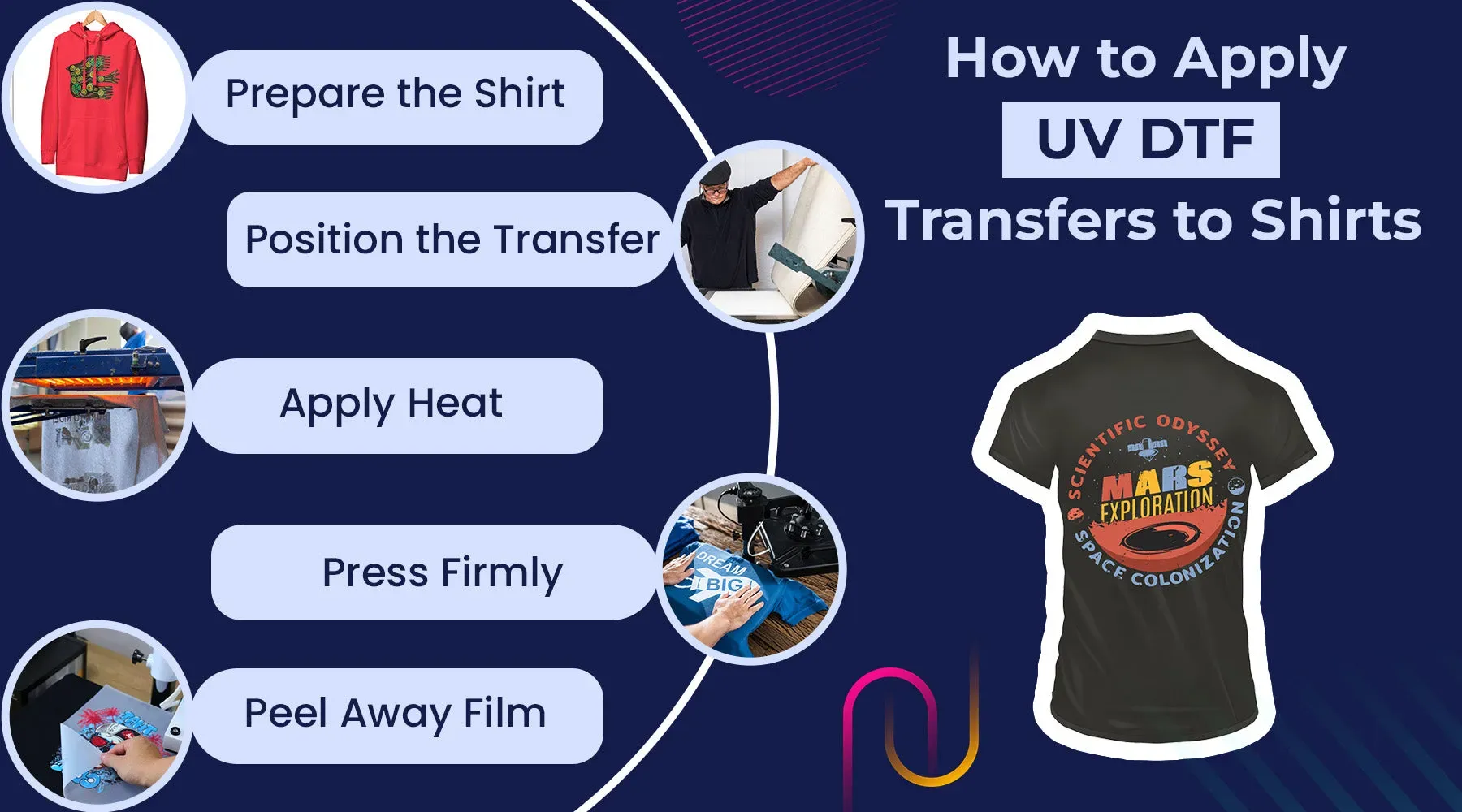
UV DTF transfer is redefining how small businesses bring bold, durable designs to custom apparel printing. This approach blends the flexibility of direct-to-film with the rapid curing of UV technology, making UV DTF printing ideal for quick, high-quality merch. For entrepreneurs seeking durable prints across cotton, blends, and more, it offers color fidelity that catches the eye. In comparisons like DTF vs UV transfer, this method combines the best of both worlds while maintaining color fidelity. If you’re exploring branding strategies, this approach can elevate small business branding and share merchandise printing tips.
Viewed through an alternative lens, the method can be described as a UV-curable film transfer technique for textiles. This approach offers photorealistic images and sharp details by printing onto a transfer sheet and then applying heat. Compared to traditional screen printing or DTG, it emphasizes durability, substrate versatility, and rapid curing thanks to ultraviolet inks. In practice, brands leverage on-demand decoration and scalable merch workflows to strengthen branding and meet changing demand.
1) What is UV DTF Transfer: How It Works and Why It Matters
UV DTF transfer blends the flexibility of direct-to-film production with the instant curing and vibrant output of UV inks. In this process, a printer lays down UV-curable inks onto a transfer film, which is then heat-pressed onto fabric or other substrates. The UV curing step locks in brightness, sharp detail, and a durable finish that stands up to washing and daily wear. Because the print is created on film before it touches the garment, designers can achieve complex gradients, photo-realistic imagery, and high-resolution artwork with relative ease.
This approach is particularly appealing for small teams because it supports on-demand or small-batch production, enabling experimentation without large inventories. UV DTF transfer works across a broad range of fabrics—from cotton tees to blends and even some non-traditional materials—making it a versatile option for tests, limited editions, and brand storytelling. As part of a broader strategy that includes UV DTF printing, it helps you deliver consistent results faster while preserving color fidelity.
2) UV DTF Transfer for Small Business Branding: Elevating Custom Apparel with On-Demand Capabilities
Small business branding thrives on distinctive visuals that travel well from online stores to real-world merch. UV DTF transfer enables a premium look without the overhead of traditional screen printing, supporting a scalable model of on-demand custom apparel printing. This means brands can launch limited runs, swap in seasonal designs, and offer personalized items without tying up capital in inventories.
For brand builders, the combination of vibrant color, durability, and flexible production feeds into merchandise printing tips such as placing logos strategically, using color palettes that translate across media, and testing designs on multiple fabrics. By integrating UV DTF transfer into your product line, you create shareable, story-driven apparel that reinforces small business branding and drives repeat purchases.
3) DTF vs UV Transfer vs DTG: A Practical Comparison for Your Merchandise Strategy
Understanding the differences between UV DTF transfer, traditional DTF, and DTG helps you choose the best fit for each design and fabric. UV DTF transfer uses UV-curable inks printed onto a film, enabling quick curing and strong color on a variety of materials. This method often yields crisp edges and better color saturation on darker fabrics, with a durable top layer that can resist cracking.
DTG prints directly on fabric, which can feel softer but may struggle with certain fabrics or darker colors. Traditional DTF relies on water- or solvent-based inks and a separate powdering step, which can affect handling times and color control. For complex, full-color photos and gradients, UV DTF transfer frequently delivers more reliable results on a broader substrate range, making it a strong option for merchandise printing tips and brand-focused collections.
4) Designing for Color Fidelity and Durability: Artwork Tips for UV DTF Merchandise
When crafting designs for UV DTF transfer, start with high-resolution artwork—ideally 300 dpi at the final print size—and favor vector files for logos and typography to preserve sharpness. Color management is essential: calibrate screens to align with the UV DTF film’s color output and create a color guide that maps on-screen colors to print results, minimizing surprises after transfer.
Consider how the design will behave on different fabrics and in seams or folds. Substrate testing is critical; some blends or textured materials may require adjustments to heat, pressure, or pre-press duration. By treating artwork with these merchandise printing tips, you can maintain visual impact, ensure durability, and deliver consistent results across your custom apparel printing runs.
5) Substrate Compatibility, Production Workflow, and Quality Control for Consistent UV DTF Results
A core advantage of UV DTF transfer is broad substrate compatibility, but it’s essential to validate each new fabric or material with a test run. Cotton, blends, and certain non-traditional surfaces can respond differently to heat, pressure, and adhesive properties. Start with a controlled set of swatches to optimize settings before launching full batches.
A practical production workflow emphasizes pre-press checks, precise temperature control, and consistent application pressure. From preparing artwork and printing on transfer film to powdering (if applicable) and the final transfer to fabric, each step contributes to durability and color fidelity. Implementing clear SOPs, routine equipment maintenance, and post-transfer care guidance helps guarantee repeatable quality across diverse product lines.
6) From Pilot to Profit: Pricing, ROI, and Scaling UV DTF for Your Brand
Pilot projects provide a low-risk path to validate demand for UV DTF transfer within your catalog of products. Start with a small design set and a couple of garment colors to gauge production speed, yield, and customer response. Collect data on ink consumption, film usage, labor time, and wash durability to inform scaling decisions.
When planning pricing and ROI, factor in material costs, energy, labor, and potential expansion into other products like bags or hoodies. UV DTF transfer enables premium pricing on high-quality, durable prints, especially on dark fabrics where the color punch stands out. Use merchandising strategies such as bundles, limited editions, and brand storytelling to boost average order value and support sustainable growth for small businesses.
Frequently Asked Questions
What is UV DTF transfer and why is it a strong option for small business branding?
UV DTF transfer is a hybrid printing method that uses UV-curable inks to print on a transfer film, which is then heat-pressed onto fabrics. It delivers vibrant color, sharp detail, and a durable finish ideal for on-demand or small-batch orders. For small business branding and custom apparel printing, UV DTF transfer enables quick turnaround, broad substrate compatibility, and scalable merch production, helping you protect margins while offering high-quality merchandise. Merchandise printing tips: start with high-resolution artwork, manage color carefully, and test on new fabrics before full production.
How does UV DTF printing compare to traditional DTF printing and other methods (DTF vs UV transfer)?
UV DTF printing uses UV-curable inks that cure instantly on the film and typically require less post-processing, which can shorten lead times. Traditional DTF uses water-based or solvent inks that dry on the film and rely on powder adhesion and heat transfer, potentially affecting color retention and texture. In contrast with direct-to-garment (DTG), UV DTF transfer adds a durable layer on top of the fabric, often performing better on darker fabrics and a wider range of materials. Compared to heat-applied vinyl, UV DTF supports full-color images and gradients with more detail.
Can UV DTF transfer print on dark fabrics, and what care steps maximize color fidelity?
Yes, UV DTF transfer can produce vibrant prints on dark fabrics, thanks to the transfer film and curing process. To maximize color fidelity, perform sample tests on the specific fabric, ensure proper cure and heat-press parameters, and verify adhesion before full runs. Educate customers with simple care tips like washing inside-out in cool water and avoiding high heat to preserve the print. Merchandise printing tips: test opacity, confirm color accuracy, and provide care instructions to extend lifespan.
What equipment and costs should a small business consider when starting with UV DTF transfer?
Key investments include a printer capable of UV-curable inks, UV transfer film and adhesive, a heat press with precise temperature control, finishing tools, and color-management software. Ongoing costs cover ink, film, maintenance, and replacement parts, so plan for a predictable consumables budget. ROI considerations for small business branding include faster turnaround, low minimums, and the ability to offer premium, high-quality merch that commands better margins.
What design guidelines optimize UV DTF transfer results for custom apparel printing and merchandise?
Start with high-resolution artwork (ideally 300 dpi at final size) and use vector logos to preserve sharpness. Calibrate screens and manage colors to match the UV DTF film output, and test on each new fabric substrate before full production. Consider placement and scale to avoid seams and folds, and plan for opacity on dark fabrics with appropriate design elements. Merchandise printing tips: keep detail legible at transfer size, and simplify complex images where needed for best results.
How can UV DTF transfer support scalable on-demand merchandise printing for small business branding?
UV DTF transfer enables on-demand or small-batch production with low minimums and rapid lead times, allowing you to test designs and expand product lines without large inventories. This supports branding by enabling frequent drops, limited editions, and quick iterations based on customer feedback. For best results, track costs, throughput, and margins, and use pilot runs to optimize processes before scaling your merchandise program.
| Topic | Key Point |
|---|---|
| What is UV DTF transfer | Printing-and-transfer process using UV-curable inks printed on film, then heat-pressed onto fabrics; delivers vibrant color, sharp detail, and a durable finish. |
| Benefits for small businesses | On-demand or small-batch production, quick design changes, wide substrate compatibility, and margin-friendly options. |
| Why it matters for brand differentiation | Color vitality, durability, premium feel; great on darker fabrics and high-clarity graphics that grab attention. |
| Differences vs other methods | Compared to traditional DTF: UV cures during printing, potentially faster handling and color retention; vs DTG: broader fabric compatibility and durability; vs vinyl: photorealistic, full-color designs. |
| Design and production tips | High-resolution artwork (>=300 dpi), color management, test on substrates, proper placement, and clear care instructions. |
| Equipment, supplies, and costs | UV-curable ink system, transfer film, heat press, finishing tools, and workflow software; budget per unit considerations. |
| Pricing strategy and ROI | Calculate ink, film, and labor costs; optimize production flow; start with core products, and price for premium quality and bundles. |
| Quality control and durability | Pre-press checks, test prints, wash durability testing, and proper storage to prevent degradation. |
| Production workflow | Artwork approval and file prep; print on transfer film; (powdering and curing if applicable); transfer to fabric; post-press finishing. |
| Marketing and positioning | Brand-focused designs, limited editions, collaborations, social proof, and educational care content to boost value. |
| Common pitfalls | Overly complex designs, inconsistent heat/pressure, lack of substrate testing, and insufficient maintenance. |
Summary
UV DTF transfer offers a versatile approach for small businesses seeking vibrant, durable prints and flexible production. This approach combines UV-curable inks printed on transfer film with a heat-press application to the garment, enabling on-demand or small-batch runs across a wide range of fabrics. With its strong color fidelity and compatibility with darker fabrics, it helps brands stand out while protecting margins. By following design, workflow, and care guidelines, you can build a scalable merch program that resonates with customers and supports growth.