
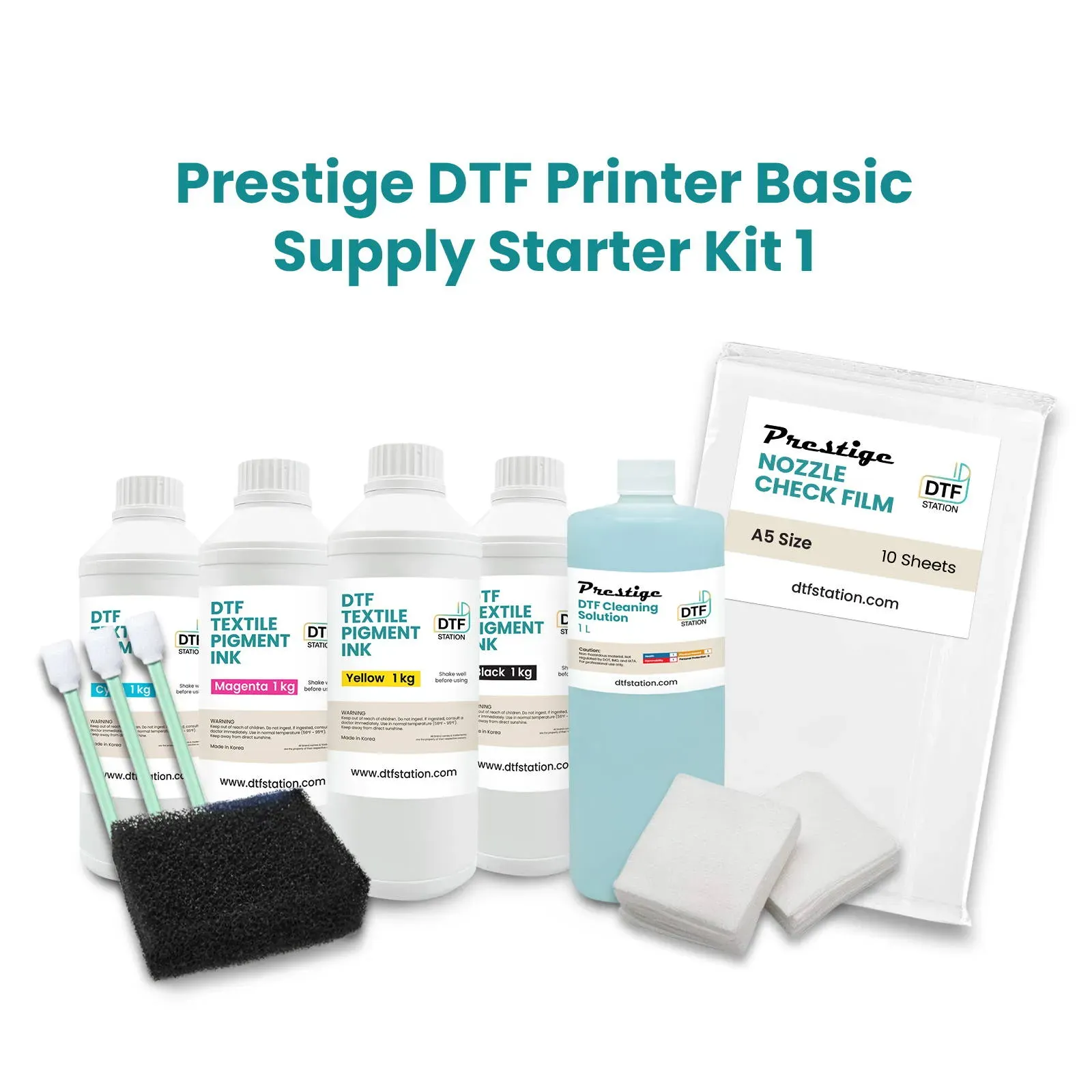
DTF Supplies are pivotal in the world of Direct to Film (DTF) printing, playing a critical role in achieving vibrant prints that captivate audiences. As garment decoration continues to evolve, knowing how to optimize DTF supplies ensures that your print quality stands out in a competitive market. From selecting the best DTF inks to understanding the impact of transfer films, utilizing high-quality materials is key to enhancing your designs. This introduction to optimizing DTF supplies delves into essential tips that not only improve print quality but also streamline your overall printing process. With the right techniques, you can elevate your garment printing techniques and deliver stunning results with every print.
When it comes to crafting high-quality prints, understanding the essentials of DTF supplies and their optimization techniques is paramount. Direct-to-film printing not only offers remarkable detail in designs but also allows for vibrant colors that resonate with wearers. By exploring optimal inks for DTF processes, selecting superior films for transfers, and employing advanced garment printing methods, print enthusiasts can achieve exceptional outcomes. This guide will provide valuable insights into the best practices that lead to outstanding print quality, ensuring that your work garners attention and satisfies customer expectations. Whether you’re new to DTF printing or seeking mastery in the craft, the right supplies and strategies are crucial in setting you apart.
The Importance of DTF Supplies in Garment Printing
DTF supplies are vital components in the Direct to Film printing process, playing a significant role in the final print quality of garments. High-quality inks, films, and pre-treatment materials all work in concert to ensure that the designs transferred onto fabrics are not only vibrant but also durable. When selecting DTF supplies, especially for professional garment printing, it is crucial to invest in high-end materials that can yield better adhesion and higher color accuracy, as these factors will enhance the overall aesthetic appeal of the printed product.
In addition, using reliable DTF supplies can dramatically reduce the risk of misalignment or fading over time, leading to increased customer satisfaction. As the market for customized apparel continues to grow, businesses must prioritize the use of premium DTF materials to stay competitive. By choosing the right supplies, print providers can ensure that their output meets the high standards expected by consumers.
Frequently Asked Questions
How can I optimize my DTF Supplies for better print quality?
To optimize your DTF supplies for improved print quality, ensure you adjust your printer settings for high resolution and quality. Choose premium DTF inks known for their vibrancy and durability, such as pigment-based options from reputable brands. Also, select high-grade DTF transfer films, as they enhance clarity and adhesion to various fabrics.
What are the best DTF inks for achieving vibrant colors?
The best DTF inks for achieving vibrant colors are typically pigment-based inks, as they provide a broader color gamut and long-lasting prints that resist fading. Brands like Epson and Sawgrass are renowned for their high-performance inks that ensure superior color vibrancy and durability in DTF printing.
What role does DTF transfer film play in print quality?
DTF transfer film plays a crucial role in print quality by influencing adhesion and image clarity. High-quality transfer films, such as those from Avery Dennison and TMT, ensure excellent adhesion to various fabrics, resulting in sharp images and reduced peeling, ultimately enhancing the overall quality of the printed design.
How do environmental factors impact DTF printing quality?
Environmental factors like humidity and temperature significantly impact DTF printing quality. A controlled environment with humidity levels between 40-60% and temperatures between 18-24°C (65-75°F) helps achieve consistent adhesion and drying, leading to higher quality DTF prints.
What pre-treatment methods should I use for DTF fabric printing?
Pre-treating fabric before DTF printing is essential. Utilizing a pre-treatment solution not only prepares the fabric but also enhances adhesion, resulting in sharper images and a more professional finish. This step ensures that the DTF inks bond effectively to the surface.
Why is maintenance important for my DTF printing equipment?
Regular maintenance of DTF printing equipment is vital to maintain consistent print quality. It prevents clogs in the print heads, ensuring smooth ink flow and even prints. Regular inspections help identify and rectify potential issues like dried ink, ultimately preserving the performance and longevity of the printer.
| Key Area | Strategies | Benefits |
|---|---|---|
| Printer Settings | – Adjust resolution (1440-2880 dpi) – Customize quality settings – Utilize advanced software |
– Improved detail and clarity – Better ink saturation |
| Ink Quality | – Choose pigment-based inks – Invest in high-performance brands like Epson and Sawgrass |
– Vivid colors and durability |
| Film Selection | – Opt for high-grade transfer films from brands like Avery Dennison and TMT | – Better adhesion and color reproduction |
| Pre- and Post-Treatment | – Pre-treat fabric for better adhesion – Use heat treatments post-printing |
– Sharper images and improved finish |
| Equipment Maintenance | – Regular cleaning of print heads – Periodic performance checks |
– Consistent print quality and fewer technical issues |
| Environmental Control | – Maintain optimal humidity (40-60%) and temperature (18-24°C) | – Enhanced drying and adhesion processes |
| Skills and Training | – Attend workshops and online training – Establish feedback mechanisms |
– Improved operator skills and adjustment of practices |
Summary
DTF Supplies play a pivotal role in achieving exceptional print quality in Direct to Film printing. Optimizing these supplies involves several meticulous strategies, from selecting the right inks and films to configuring printer settings and maintaining equipment effectively. By emphasizing factors such as ink quality, advanced film options, and proper pre- and post-treatment techniques, you can significantly enhance both the visual appeal and durability of your prints. Moreover, ensuring a controlled printing environment and fostering continuous operator training expedites the success of your DTF operations. Embracing these optimization practices not only sets a foundation for superior DTF printing but also positions your business competitively among industry leaders.