
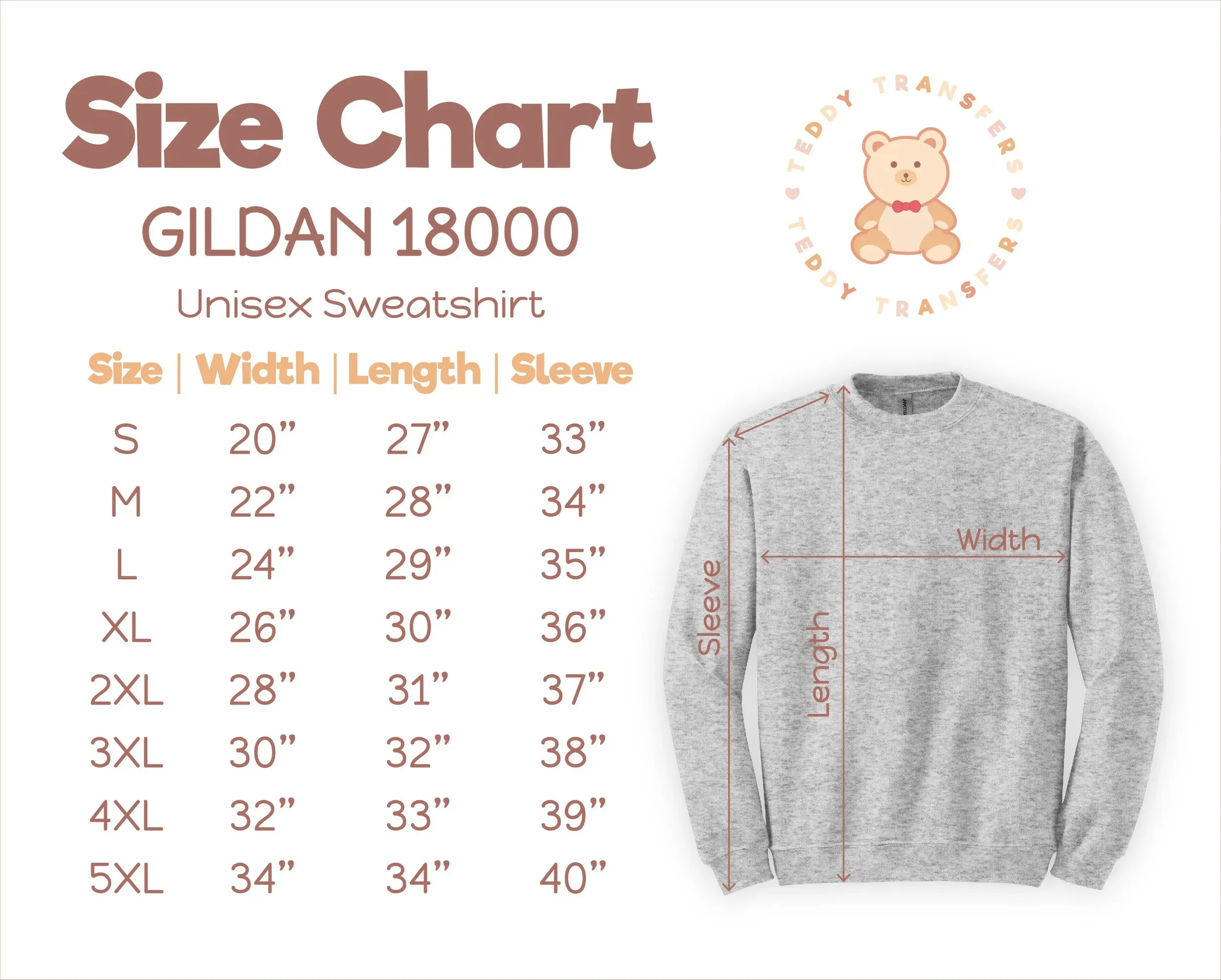
DTF Transfer by Size is a crucial concept that artists and designers must grasp when venturing into the realm of Direct-to-Film (DTF) printing. This innovative technique allows for exquisite designs to be transferred onto textiles, creating a canvas for limitless creativity. With DTF printing techniques, understanding the size implications of your transfer can significantly influence the quality and adherence of the print. The ability to master the nuances of printing on textiles—especially how size impacts DTF transfers—can elevate your artistic projects to new heights. Whether you’re a seasoned professional or a budding artist, learning about DTF transfer by size is essential for achieving stunning results and satisfying your creative vision.
When exploring the world of Direct-to-Film transfers, the consideration of dimensions plays a key role in the success of your project. Often referred to as DTF printing, this method utilizes specialized film to transfer intricate designs onto various fabric types. It’s important to note that the size of the print can substantially affect not only the adherence to the textile but also the overall quality and detail of the output. The flexibility inherent in these printing techniques allows for creative experimentation, but mastering how size impacts the DTF transfer process is fundamental for optimal results. As artists delve into different textile options, understanding these size-related factors will guide them toward producing high-quality prints.
Understanding DTF Transfers: The Role of Size
DTF (Direct-to-Film) transfer is a modern printing technique that allows for precision and versatility in transferring designs onto textiles. Central to its effectiveness is understanding the impact of size on both the design and the transfer process. The size of the design influences not only the amount of ink used but also the heat application and the final quality of the print. For instance, smaller designs may adhere differently compared to larger ones, potentially affecting the color vibrancy and detail reproduction. Consequently, artists must carefully consider how to scale their designs while maintaining the integrity of the original artwork.
Moreover, size can also dictate the choice of fabric and the film used in the DTF process. Different fabrics respond uniquely to various sizes of openings in the film and the amount of heat applied. Therefore, mastering the nuances of how size interacts with fabric types and textures is essential for achieving successful DTF transfers. A thoughtful approach to size ensures that the final printed design maintains its intended appearance and quality.
DTF Transfer by Size: Tips for Optimal Results
When dealing with DTF transfer by size, one critical factor to consider is the preparation of your transfer materials. Choosing the right film compatible with your ink is paramount, as is ensuring it is suitable for the specific size of your design. Larger designs may require custom-sized films to accommodate the print dimensions effectively. Additionally, verifying that your printer can handle the desired size capabilities can prevent common pitfalls such as misalignment or poor adhesion during the transfer process.
In the process of transferring larger designs, experimenting with heat and pressure settings is crucial. Larger prints often necessitate adjustments to prevent damage to the fabric while ensuring a uniform application of heat. For optimal results, practicing with different temperature and pressure combinations helps pinpoint the ideal settings that allow for successful transfers, particularly for larger and more complex designs.
Mastering Heat and Pressure Settings in DTF Transfers
Effective DTF transfers require a precise balance of heat and pressure settings, particularly when dealing with varying sizes of designs. For larger prints, a common approach is to use lower temperatures combined with increased pressure. This method helps in achieving even adhesion without friction causing warping or damage to the substrate. An in-depth understanding of how different sizes affect the heat distribution can substantially improve the adherence of the DTF transfer.
Conversely, smaller designs might benefit from higher temperatures and less pressure, allowing for quicker transfer times while ensuring that the intricate details remain sharp and intact. By taking the time to experiment with these settings for both large and small designs, artists can refine their techniques and yield consistently high-quality outcomes in their DTF projects.
Overcoming Size-Related Challenges in DTF Transfers
Despite the advantages of DTF printing, artists often encounter challenges associated with size, such as uneven transfers and the loss of detail. Larger designs can sometimes lead to issues with heat application, where certain areas may adhere better than others. Adopting a pre-press process, where the fabric is rolled to prepare for the transfer, can help to mitigate these challenges by ensuring a flat surface for optimal heat distribution.
Additionally, the detail lost in larger images is a common concern among creatives. To address this, artists should be mindful of maintaining design simplicity and selecting appropriate color schemes that remain effective when scaled. By thoughtfully adjusting designs to accommodate size challenges, artists can ensure that their DTF transfers maintain quality, depth, and coherence on the final textile.
Innovative Tools for Size-Centric DTF Printing
As the DTF printing landscape evolves, innovative tools continue to emerge that cater specifically to size-centric requirements. Advanced software now provides options for artists to create precise, custom-sized designs effortlessly. These tools are instrumental in ensuring accuracy during the design phase, which is crucial for the overall success of the transfer process. Utilizing such technology can significantly reduce errors and enhance the quality of prints, especially for artists working on larger or intricate designs.
In addition to software, advancements in DTF printers have led to improved size adaptability. Modern printers are now equipped with features that facilitate adjustments for various print sizes, ensuring a higher output quality across diverse substrates. By leveraging these advancements, artists can more readily achieve their desired print sizes while maintaining the highest standards of quality and precision in their work.
Connecting with the DTF Community for Size Mastery
Engagement with the DTF community is an excellent resource for artists looking to enhance their skills, particularly when it comes to size-related aspects of printing. Online forums and social media groups provide platforms where individuals can share experiences, techniques, and insights into overcoming common challenges in DTF transfers. Such communal knowledge is invaluable, especially for those facing difficulties with particular sizes or designs.
Moreover, workshops and tutorials hosted by experienced artists offer hands-on guidance that can significantly aid in mastering DTF transfers by size. By participating in these activities, users can learn about innovative approaches, tools, and best practices that directly improve their ability to produce high-quality DTF prints. Collaborative learning enables artists to adapt their techniques and broaden their understanding of how size affects the transfer process.
Frequently Asked Questions
What is the importance of size in DTF transfers?
Size plays a crucial role in DTF transfers as it affects ink usage, heat distribution, and design adherence. Larger prints require careful handling to ensure even heat application, preventing fading or uneven edges.
How does the size of a print impact the quality of DTF transfers?
The size of a print directly influences the transfer quality. Smaller designs may adhere better, while larger ones can suffer from uneven heat distribution or loss of detail, highlighting the need for size consideration in your DTF printing techniques.
What adjustments should be made for different sizes in DTF printing?
For various sizes in DTF printing, adjust heat and pressure settings accordingly. Lower temperatures and increased pressure may be necessary for larger designs to ensure complete adhesion without damaging the fabric.
Can DTF transfers be done effectively on small items?
Yes, DTF transfers can be effectively applied to small items. However, it is essential to select appropriate designs that consider the fabric’s texture and the overall print’s details to maintain quality.
What are the best practices for preparing DTF transfers by size?
Best practices include selecting compatible film and inks, confirming printer settings for the size of your design, and using pre-press techniques to flatten fabrics, particularly for larger transfers.
How do layering techniques influence the outcome of DTF transfers by size?
Layering techniques can improve the outcome of larger DTF transfers by allowing for the application of designs in sections, reducing the risk of stretching or misalignment, and helping maintain the integrity of intricate designs.
| Key Point | Details |
|---|---|
| Introduction to DTF Transfer | Revolutionary printing method for high-quality textile prints. |
| Essence of DTF Transfer | Utilizes printed film and heat application to transfer designs. |
| Importance of Size | Size impacts ink usage, heat distribution, and design adherence. |
| Preparation Techniques | Select compatible film and ensure printer can handle design size. |
| Heat and Pressure Settings | Adjust settings based on design size for optimal adhesion. |
| Layering Techniques | For large designs, split into sections for better results. |
| Challenges in DTF Transfers | Uneven transfers and maintaining detail are common issues. |
| Innovation in Tools | New software and printers improve accuracy and quality. |
| Community Learning | Engage with peers for insights and techniques. |
Summary
DTF Transfer by Size is a critical aspect for artists aiming to produce exceptional prints on various textiles. Understanding how size influences the printing process, from ink application to heat distribution, can significantly elevate the quality of artistic creations. By mastering techniques for both small and large designs, along with leveraging the latest innovations and community knowledge, artists can unlock the full potential of DTF transfer technology and achieve outstanding results.